High-pressure water hose nozzle spraying on concrete, demonstrating plumbing service capabilities by Scott Plumbing.

Common Causes of Sewer Line Problems That Hydrojetting is Used For

High-Pressure Drain Cleaning

Home plumbing fixtures drain into the city sewer via the main sewer line. A clogged sewer line can be a nightmare for homeowners. Blocked drains are one of the most common reasons homeowners call plumbing companies since fixing some clogs requires more than a common household plunger. 

Hydro-jetting services are one of the ways that professional plumbers can quickly clear a tough clog. When the sewer line needs to be cleared, homeowners should call a qualified professional to hydro jet the pipes. Hydrojetting involves shooting water through the line at high speeds to easily remove even the toughest clogs. 

In this blog post, plumbing experts explain how hydrojetting services can be used to fix three common causes of clogged sewer lines. High-pressure drain cleaning is the recommended method for removing blockages and cleaning sewer lines. 

Infiltrating Tree Roots
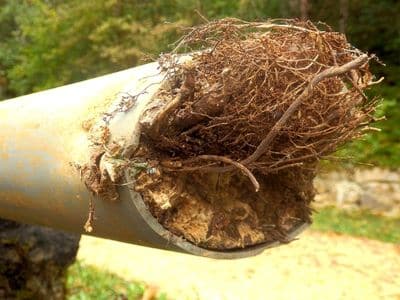
Tree roots infiltrating a sewer pipe, causing a blockage, illustrating the common plumbing issue addressed by hydrojetting services.A lot of a home’s plumbing system is located underground in the yard outside or underneath the home’s foundation. Tree roots can grow into underground plumbing in search of water. Infiltrating tree roots can cause blockages in the pipes, reduce water flow, and eventually lead to a burst pipe. 

Hydrojetting is the best way to clear tree roots from sewer or water lines. The pressurized water from the hydrojetting machine will blast away the clogs made of tree roots to clear the route for the water. After the roots are removed, any cracks where they may have entered the sewer line will also need to be fixed. 

Grease Build-Up
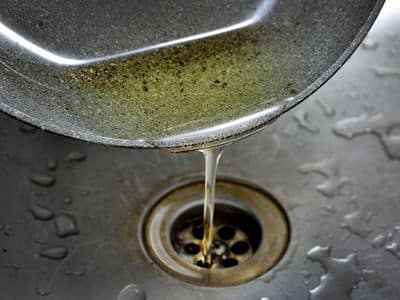
Grease pouring from a pan into a kitchen sink drain, illustrating the dangers of grease build-up in plumbing systems.Homeowners should always avoid pouring grease, cooking oil, and animal fat down the drains. It may be tempting to dispose of liquid grease by pouring it down the drain, but when the liquid cools, it hardens and coats the inside of the plumbing. Debris can get caught in the grease build-up and form nasty clogs. 

Homeowners can try to use a mix of baking soda and vinegar to clear away the grease clog. Liquid drain cleaners should never be used because they contain dangerous chemicals. Pouring hot water down the drain can also help to melt away hardened grease to unclog the drain. 

When DIY drain cleaning methods fail to get the job done, homeowners should call a trusted local plumber for hydrojetting services. High-pressure drain cleaning can unclog the line and remove all the grease build-up from the pipes to prevent future clogs. 

Flushing the Wrong Things

Flushing the wrong things down the toilet can wreak havoc on the plumbing system. A sewer line clog can make it impossible for any of the home’s plumbing fixtures to drain correctly, including the toilets. Homeowners should avoid flushing anything besides toilet paper to prevent a sewer line clog. 

Homeowners may think they are getting away with flushing trash down the toilet because the toilet doesn’t immediately clog. However, non-flushable materials can build up in the underground sewer line and damage the plumbing system even if the toilet does not clog initially. The safest way to clear clogs made of non-flushable materials from the sewer line is to use hydrojetting to blast away the source of the clog.

About Scott Plumbing

The award-winning Scott Plumbing is a local family-owned and operated company serving Huntsville, AL, and the surrounding areas. They offer same-day service, straightforward pricing, and a no-mess promise. Call them today for hydro jetting services in Huntsville, AL.

Hand using a plunger in a clean toilet, addressing plumbing issues for Scott Plumbing's local services in Huntsville, AL.

Simple Tips to Help Prevent Clogged Toilets

Avoid Toilet Clogs With Good Habits

Homeownership would be much easier if every home came with an owner’s manual. Unfortunately, there are very few resources where all the valuable information homeowners need is boiled down into simple and easy-to-understand terms. Sure, books are available to help, and YouTube can give some insight, but homeowners often have to learn by doing and make some mistakes along the way. 

Here to help are some local experts. Clogged toilets are a common problem in the home, and they are often avoidable with a little knowledge and good habits. This article is a quick and concise guide to help homeowners better understand how to prevent toilet clogs so they can avoid the hassles that clogged toilets bring. 

Pay Better Attention to What Gets Flushed

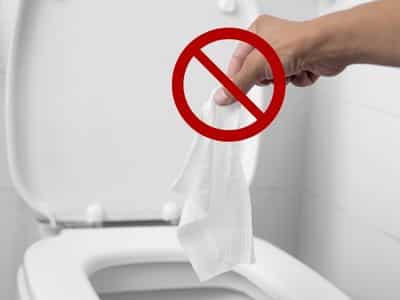
Hand holding a tissue above a toilet with a red "no" symbol, emphasizing the importance of not flushing inappropriate items to prevent clogged toilets.If toilets are frequently clogged in the home, bad habits are often to blame. Except in cases where sewer lines need repairs, clogged toilets commonly occur when operator error occurs. In many cases of clogged toilets, something that should not have been flushed down a toilet has been flushed. The only thing people should flush is toilet paper and human waste. 

A simple device that most people ignore is the toilet lid. Leaving the lid down keeps foreign objects out. This is especially useful when shelves are above the toilet, or there are children around that might want to take a few action figures for a swim. It doesn’t take much for something foreign to fall in and be flushed unbeknownst to the homeowners. 

Apart from keeping the toilet lid down, paying attention to what is intentionally flushed is important. Many things that people think are okay to flush actually aren’t and will clog toilets, so never flush things like:

  • Wipes (even ones that claim to be flushable)
  • Paper towels
  • Tissues
  • Feminine products
  • Cotton swabs and other hygiene products 

Pay Attention to How Much Toilet Paper is Flushed 

Person holding multiple rolls of toilet paper, emphasizing the importance of mindful usage to prevent toilet clogs, relevant to plumbing maintenance tips.Toilet paper is flushable because it’s made to break down in the water, but flushing too much at once is still a common cause of clogged toilets. To prevent toilet clogs, homeowners should get in the habit of using less toilet paper. Or, if more toilet paper is needed, people can flush the toilet multiple times during a visit to the bathroom instead of letting massive amounts of toilet paper build up in the toilet basin.

These easy tips prevent the accumulation of too much toilet paper and the subsequent clog that is sure to form. This is especially important in homes with low-flow toilets since not as much water is used to move waste and toilet paper through the toilet drain and down the sewer lines. 

Don’t Forget About Sewer Line Clogs

A popular misconception is that clogged toilets are the toilet's fault, but in many cases, the problem lies deeper, down in the sewer line. The sewer line is the main pipe that removes waste and used water away from home. As such, it is responsible for handling all the liquid waste in the house. 

When too much grease, hair, or soap scum is allowed to deposit on the sewer line walls, flow is restricted to the point that solid waste stops flowing. A clog forms, and that causes toilets to back up and get clogged. To prevent sewer line clogs, homeowners should never put cooking oil or grease down any of the home’s drains. Homeowners can also call a professional for drain cleaning to help prevent clogs. 

About Scott Plumbing

Scott Plumbing is a local family-owned and operated business serving its neighbors in Huntsville, AL, and the surrounding areas. They offer straightforward pricing, same-day service, and a no-mess promise. Call them today for drain cleaning or clogged toilet repair services in Huntsville, AL.

Shiny modern faucet over a sink with running water, showcasing plumbing solutions for sewer line issues by Scott Plumbing.

Causes of Low Water Pressure

Common Reasons For a Drop in Water Pressure

There are many potential causes for a drop in a home’s water pressure. One of the most common is leaks. Leaks allow air to enter the plumbing system, which reduces the overall force. Another common cause is sediment accumulation in the pipes. This can reduce water flow through the pipes and decrease the pressure. Finally, a partially closed valve or malfunctioning fixture can reduce water pressure. If any of these are suspected, contact a professional who can determine the cause and best solution.

Are There Leaks?

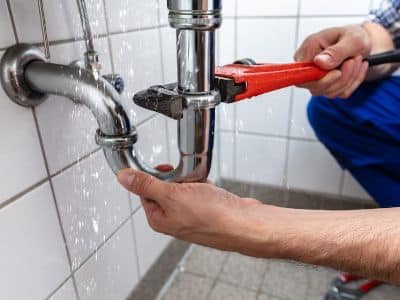
Plumber using a wrench to fix a leaking pipe under a sink, illustrating common plumbing issues related to water pressure and leaks.Leaks are one of the most common causes of low water pressure. Leaks can consume a large amount of water, reducing available water pressure. If leaks go undetected, water will continue to be lost, lowering the water pressure and possibly causing significant damage.
If families are experiencing low water pressure, check for leaks to prevent water damage. One of the best ways to check for leaks is to simply turn off all water fixtures and appliances, ensure the main shutoff valve is open and the water meter valve is functioning, and then check the water meter. If the needle on the meter moves, this indicates a leak somewhere in the system. A professional should be called immediately to prevent further damage and increase the home’s water pressure.

Clogs and Buildup Reduce Water Pressure

Low water pressure can be caused by clogs and buildup in fixtures and pipes. When these blockages occur, the water flow is restricted, reducing pressure. Clogs can cause problems with the faucet or shower’s water pressure and also lead to poor water quality. If the low water pressure in the shower or anywhere else is noticed, it’s essential to have the problem checked out and fixed as soon as possible. A professional can help identify the cause of the problem and make the necessary fix.

If homeowners notice low water pressure, there are few things they can do to try to fix the problem. First, homeowners should check all of the fixtures for clogs or buildup. If any blockages are found, clean them out as much as possible. This should improve the water pressure. Call a professional if it doesn’t or if the problem persists.

Broken Fixtures or Closed Valves Reduce Water Pressure

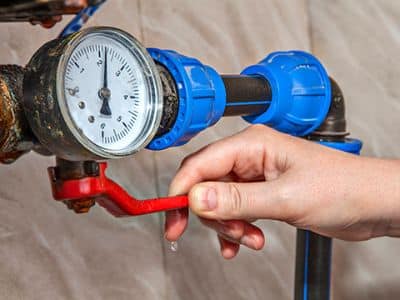
Hand adjusting a red valve on a plumbing system with a pressure gauge, highlighting potential causes of reduced water pressure in fixtures and pipes.If the decrease in water pressure is only coming from one fixture, like a faucet or showerhead, it might be because that one fixture is not working right. Check to see if the water flow from other fixtures in the home is normal. If it is, then the problem is probably with that one fixture.

If the water pressure decreases throughout the home or in one room, there might be a problem with a valve. Check the main shutoff valve or the water meter valve to see if one is closed or partially closed. This can also cause a decrease in water pressure but is the quickest fix.

If both have been ruled out, the problem might be with the home’s plumbing. Homeowners should have a professional plumber come and take a look at the system to determine what the issue is.

About Scott Plumbing

Scott Plumbing is a family-owned and operated business serving its neighbors in Huntsville, AL, and the surrounding areas. They provide straightforward pricing, same-day service, and trusted technicians. Call them today for plumbing services in Huntsville, AL.

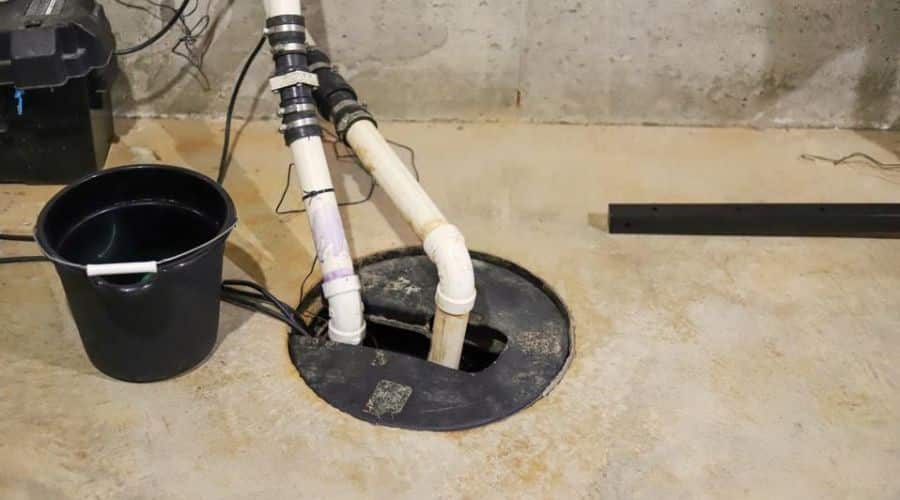
Sump pump setup with PVC pipes and a bucket in a concrete basement, highlighting plumbing service for water management.

Can Sump Pumps Become Your Home's First Line of Defense?

Understanding the Benefits of Sump Pumps

On average, Huntsville has 120 rainy days a year, which makes it one of the rainiest places in Alabama. This means that flooding is a very real concern. And it doesn’t matter where the home is located because 90% of local drainage complaints come from Huntsville residents who do NOT live in the floodplain.

One of the best things Huntsville homeowners can do to protect themselves against flooding and damage to their property is to install a sump pump. A “sump” is a pit or basin typically dug beneath the basement floor. This pit holds the pump or inlet line that removes excess water from the basement through a discharge line to a designated safe drainage area away from home.

That drainage location may be a municipal sewer, a dry well, or a natural runoff point. The important thing is that the site drains well enough that the water does not flow back into the home or onto a neighbor’s property.

How Do Sump Pumps Protect the Home?

Person demonstrating a sump pump installation in a basement, highlighting plumbing equipment designed to prevent flooding and manage water drainage effectively.A sump pump is a device installed in the lowest part of a home's foundation, typically in the basement or crawlspace. Its purpose is to remove water that has accumulated in the area and prevent flooding.

Sump pumps are powered by electricity and have a float or pressure switch that activates the pump when the water level or pressure rises to a certain point. The sump pump will automatically turn on when that switch senses the water has gotten too high in the basin. 

The pump then discharges the water out of the home through a pipe or hose. Sump pumps have spinning rotors that either suck or push the floodwater out of the pit and into the drainage plumbing.

What Models To Choose From

Submersible and pedestal sump pumps showcasing different designs for effective water removal in basements and crawlspaces.There are two main types of sump pumps:

  • Submersible units
  • Pedestal pumps

A submersible pump is quieter and more powerful, but because it’s submerged underwater, it doesn’t last as long as a pedestal pump.

A pedestal pump has a longer service lifespan than a submersible pump, but it also takes up valuable floor space in the basement. Also, because pedestal pumps are not cooled by surrounding water, they are more prone to overheating.

Although sump pumps are sold in various horsepowers ranging from ¼ HP to 1 HP, the most important consideration is how many gallons of water they can pump per minute.

Never use an extension cord or shared outlet to power a sump pump. Voltage drops can significantly reduce the service life of the pump. The best power source for a sump pump is a dedicated ground-fault circuit interrupter outlet directly connected to its own circuit breaker. A licensed electrician should always install a GFCI. 

Perks of Sump Pumps

A sump pump protects a home from flooding in several ways. Sump pumps are an important part of a home's flood protection system and can help to prevent extensive damage from occurring in the event of a flood. Removing excess water:

  • Prevents structural damage to the building
  • Inhibits the growth of mold and mildew
  • Reduces the danger of electrical hazards due to standing water

It is important to keep in mind that for most standard homeowner’s insurance policies, water damage from a flooded or backed-up basement is NOT covered. 

About Scott Plumbing

Scott Plumbing is a local family-owned and operated business serving its neighbors in Huntsville, AL, and the surrounding areas. They provide straightforward pricing, same-day service, and on-time arrivals. Call them today for sump pump services in Huntsville, AL.

Woman with pink rubber gloves holds a wrench by a modern kitchen sink, addressing a plumbing issue for Scott Plumbing.

Don't Risk Doing DIY Plumbing Repairs

DIY Plumbing Repairs Are Risky 

Homeowners looking to cut corners and save money on plumbing repairs may attempt to do them themselves. However, the risks associated with DIY repairs can be dangerous and, in the long run, cost more than what initial repairs would have cost had a professional been brought in from the beginning.

Misidentifying the Issue 

Plumbing systems are complex, and repairs to these systems can be complicated. Many homeowners who attempt these repairs on their own have no idea what to look for, nor do they have the tools or qualifications to make such repairs. 

Homeowners who set out to fix the problems themselves will misdiagnose the issue, leading to buying the wrong parts. Unfortunately, there’s also the risk of causing further damage to the system since many homeowners don’t have the appropriate training to handle these issues. 

On the other hand, professional plumbers will have the qualifications to tackle these repairs. They will know what to look for and have specialized tools for the job. Professionals have also received the appropriate training, certifications, and licenses for handling plumbing repairs. These are just some of the reasons why hiring a professional is recommended over trying to DIY plumbing repairs. 

DIY Takes More Time

Vintage alarm clock emphasizing time management and the importance of hiring professional plumbers for efficient repairs.Since professionals are highly trained and qualified for the repair job, they will spend less time trying to diagnose the problem. After a consultation, the professional will examine the plumbing system, locate the issues, and work on fixing them. This process will take a lot less time, unlike DIY repairs that may take days or weeks to complete, and that’s if the homeowner doesn’t end up causing even more damage.

Professionals understand what to look for and possess the correct knowledge, skills, and specialized tools and equipment to do the job right away. Also, if a homeowner tries to repair the problem themselves and either misdiagnosis the issue or causes more damage, more time will be spent fixing the problems.

DIY Costs More Money 

Person holding an empty wallet, illustrating financial strain related to DIY plumbing repairs and potential increased costs from professional services.Homeowners that try to DIY plumbing repairs and end up causing significantly more damage will be looking at a heftier bill than the initial repairs would have cost. This is because the additional damage will require more repairs, which may need different parts and tools. 

DIY repairs are also uninsured, unlike the work done by professional contractors. Professionals from reputable companies will come with insurance that protects the homeowner should something go wrong during the repair process. This covers the plumbing system and covers the property as a whole if any damages occur. This provides financial security to the homeowner so that any potential damages done by the contractor will not come out of the homeowner’s pocket and will instead be covered by the contractor or their company.

About Scott Plumbing

Scott Plumbing is a local family-owned and operated business serving its neighbors in Huntsville, AL, and the surrounding areas. They provide straightforward pricing, same-day service, trusted technicians, and a 100% satisfaction guarantee. Call them today for plumbing services in Huntsville, AL.