
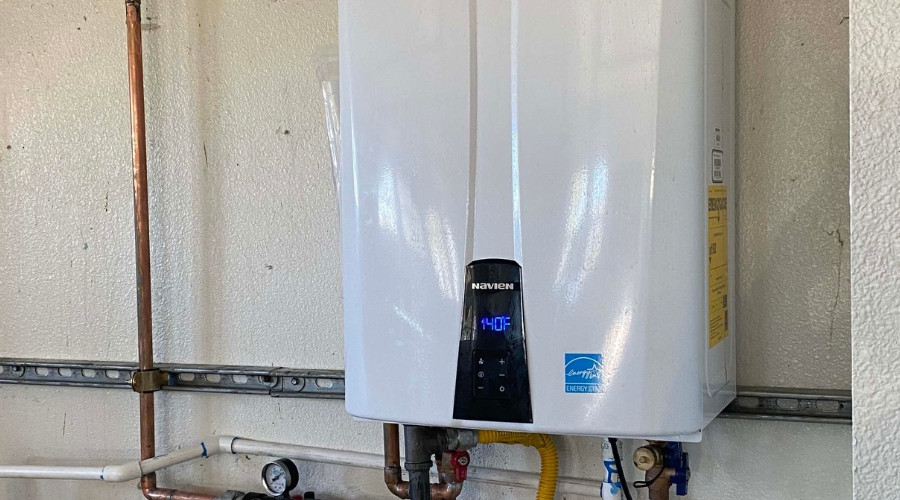
Why Get a Tankless Water Heater Installation?
If it’s time for a new water heater installation or replacement, a tankless water heating system is an excellent option to consider. Tankless water heaters provide some substantial benefits compared to conventional storage tank models, ranging from superior energy efficiency to a longer lifespan. This post will explore some significant advantages of a tankless water heater installation.
Energy Efficiency
 Tankless water heaters boast better energy efficiency than traditional water heaters that use a large storage tank. A standard storage water heater must constantly keep the water in its tank heated to ensure immediate availability. This process results in standby heat loss even when no hot water is being used, using more energy and leading to higher monthly utility costs.
However, a tankless water heating system activates only when a demand for hot water occurs. By eliminating the continuous energy waste of standby heat loss, tankless units are far more energy efficient. This increased efficiency directly translates into reduced water-heating expenses, generating monthly savings for homeowners.
Endless Hot Water Supply and Space Savings
 One of the most beneficial features of tankless water heating technology is its ability to provide a continuous flow of hot water. Traditional storage tank water heaters hold a set volume of hot water in their tank. Once this supply is exhausted, people can face the unwelcome reality of cold showers or a lengthy wait while the tank refills and reheats.
Tankless water heaters, on the other hand, heat water passing through the unit. Because they operate without a storage tank and only heat water when it’s needed, they won’t run out of hot water, which provides households with the comfort of knowing that hot water will be available whenever they need it.
Furthermore, the absence of a bulky hot water tank is a major advantage for space utilization. Tankless water heaters are compact, often mounted directly on the wall, occupying considerably less room than the large storage tanks of conventional units. This design allows homeowners to reclaim valuable storage or utility space.
Longer Life Expectancy
Opting for a tankless water heater is also beneficial due to its extended service life. While homeowners can expect a conventional storage water heater to last approximately 10 to 15 years before a water heater replacement is necessary, tankless models can last for more than 20 years with routine water heater maintenance.
This longer life expectancy means a tankless water heater delays the substantial cost and inconvenience of purchasing and installing a replacement unit, further adding to the long-term value and savings achieved by switching to a tankless water heater system.
About Scott Plumbing
Scott Plumbing has been providing reliable plumbing services to the Huntsville community since 2014. They offer same-day service, straightforward pricing, and trusted technicians. Call them for tankless water heater installation in Huntsville, AL.
)
Distribution Links +
- https://go.chinesewire.com
- https://smb.bogalusadailynews.com
- https://smb.magnoliastatelive.com
- https://smb.orangeleader.com
- https://smb.panews.com
- https://smb.picayuneitem.com
- https://smb.lobservateur.com
- https://smb.panolian.com
- https://smb.americustimesrecorder.com
- https://smb.amnews.com
- https://smb.americanpress.com
- https://smb.dailyleader.com
- https://smb.oxfordeagle.com
- https://smb.bluegrasslive.com
- https://smb.claiborneprogress.net
- https://smb.elizabethton.com
- https://smb.jessaminejournal.com
- https://smb.kenbridgevictoriadispatch.com
- https://smb.thesnaponline.com
- https://smb.clemmonscourier.net
- https://smb.harlandaily.com
- https://smb.irontontribune.com
- https://smb.ourdavie.com
- https://smb.state-journal.com
- https://smb.thecharlottegazette.com
- https://smb.theinteriorjournal.com
- https://smb.tryondailybulletin.com
- https://smb.winchestersun.com
- https://smb.farmvilleherald.com
- https://smb.salisburypost.com
- https://smb.cordeledispatch.com
- https://smb.middlesboronews.com
- https://smb.thepostsearchlight.com
- https://pr.washingtoncitypaper.com
- https://smb.theleesvilleleader.com
- https://smb.prentissheadlight.com
- https://smb.beauregardnews.com
- https://pr.hattiesburg.com
- https://pr.walnutcreekmagazine.com
- https://pr.thembnews.com
- https://pr.boreal.org
- https://pr.timesofsandiego.com
- https://pr.chestercounty.com
- https://pr.wncbusiness.com
- https://pr.ashlandtownnews.com
- https://pr.millismedwaynews.com
- https://pr.norwoodtownnews.com
- https://pr.hopedaletownnews.com
- https://pr.franklintownnews.com
- https://pr.naticktownnews.com
- https://pr.norfolkwrenthamnews.com
- https://pr.hollistontownnews.com
- https://pr.rivertonjournal.com
- https://pr.columbiabusinessmonthly.com
- https://pr.herrimanjournal.com
- https://pr.holladayjournal.com
- https://pr.wvcjournal.com
- https://pr.midvalejournal.com
- https://pr.sandyjournal.com
- https://pr.southjordanjournal.com
- https://pr.cottonwoodheightsjournal.com
- https://pr.valleyjournals.com
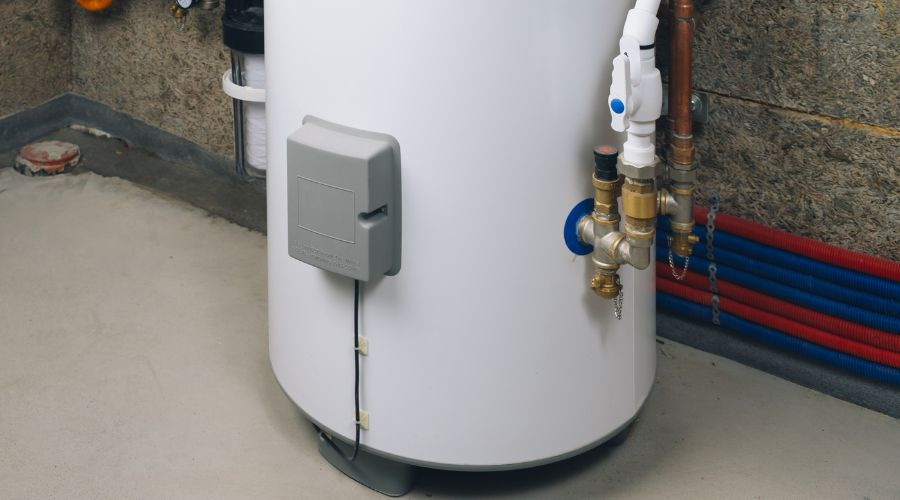
 Gas water heaters have traditionally been the preferred choice among homeowners. Here's a closer look at why this type may be the right choice for certain water heating needs.
 Electric water heaters have gained popularity with advances in technology and safety features, presenting a different set of advantages and constraints.
)