Bathroom interior featuring pink tiled walls, a wooden cabinet, a white toilet, and a bathtub, illustrating plumbing conditions in older homes.

Common Plumbing Problems in Old Homes and How to Identify Them

Plumbing Issues to Watch Out for in Older Houses

Older houses can be more prone to experiencing plumbing problems due to their aging plumbing systems and materials. So, when living in an old home with old plumbing, homeowners should watch out for plumbing issues and call a plumber when signs of problems are noticed. This post will share some common plumbing issues in older homes and how they can be identified. 

Corroded Pipes

Corroded pipes showing rust and deterioration, highlighting plumbing issues in older homes, relevant to plumbing maintenance and repair advice.Corroded pipes plague countless older homes and can create expensive headaches for unsuspecting homeowners when they leak, causing water damage. Many pipe materials, including galvanized steel, cast iron, and copper pipes, gradually deteriorate over decades, developing rust, mineral buildup, and structural weakness, which can lead to leaks and pipe bursts. 

So, recognizing the warning signs of pipe corrosion and calling a plumber to replace the pipes can help prevent issues like leaks and burst pipes and the additional consequences they can cause, like water damage and higher water bills, from occurring. Discolored water flowing from faucets and fixtures, reduced water pressure, leaks, and a strange metallic taste or smell to the water can signal corrosion. Rust and corrosion may also be visible on exposed pipes. 

Low Water Pressure

Faucet with low water pressure dripping water, highlighting plumbing issues related to corrosion and leaks in older homes.Low water pressure can be frustrating, turning simple tasks like showering or washing dishes into tedious ordeals. Older homes with aging plumbing can experience poor water pressure due to various underlying causes, including outdated plumbing fixtures, clogs, corrosion, and water leaks. 

When homeowners notice reduced water pressure in the shower or from faucets, it’s important to call a plumber so they can determine the underlying cause of the low water pressure and the best solution. They will inspect the condition of the pipes to determine whether a water leak is due to corrosion or not, which will determine whether water leak repair or pipe replacement is needed to replace old and corroded pipes. If water pressure issues are from old fixtures, they can be replaced. The best solution to restore water pressure will depend on the cause.

Sewer Line Problems

Old sewer lines are more likely to experience problems, including clogs, leaks, corrosion, or damage. Some of these issues can also lead to other problems if not addressed promptly. For example, issues such as sewer line clogs and corrosion can lead to leaks and damage. Additionally, external factors can also lead to sewer line problems, including tree roots that infiltrate joints and cracks in the sewer line in search of moisture and nutrients, resulting in a clogged sewer line and further damage. Shifting soil can also cause sewer line leaks and damage.

Homeowners should watch for warning signs of sewer line problems and call a plumber to determine the issue and the best solution to fix it. Slow draining, foul sewage odors, backups, unexplained wet and soggy spots in the yard, and unusually fast-growing, lush patches in the yard can all signal issues with the sewer line. There are several solutions to sewer line problems depending on the issue it’s facing. Sewer line repair or replacement may be necessary, or if a sewer line is clogged, drain cleaning or hydro jetting may be required. 

About Scott Plumbing

Scott Plumbing is a local, family-owned and operated company serving the Huntsville community. They offer same-day service, straightforward pricing, and a no-mess promise. Call them for plumbing services in Huntsville, AL

Wall with water stains and a wet concrete floor, indicating potential plumbing issues; Scott Plumbing can help.

Answering Common Questions About Slab Leaks in Huntsville, AL

Slab Leaks and Their Risks Explained

A slab leak can be a damaging and costly problem for households, so they must be caught as soon as possible. However, since they are hidden beneath the home's concrete foundation, these water leaks can wreak havoc before homeowners notice them. 

That’s why understanding slab leaks and the signs that point to them is crucial for homeowners. This guide will answer some common questions about slab leaks, including what they are, what causes them, how to identify them, their dangers, and how plumbers detect and repair them.

What Is a Slab Leak, and What Causes Them?

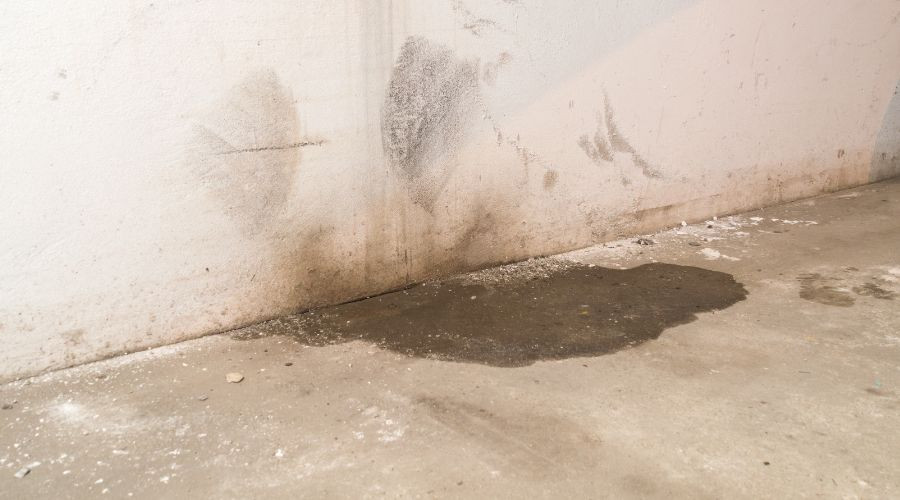
Wet concrete floor with visible water stains indicating a potential slab leak beneath a home's foundation.A slab leak refers to a water line break or leak that occurs in the pipes running beneath a home's concrete foundation. These pipes can develop leaks due to various factors, creating a serious plumbing issue that requires immediate attention. Since these pipes are beneath the concrete foundation, detecting and repairing slab leaks can be particularly challenging and requires specialized equipment.
Several factors can contribute to the development of slab leaks, including natural ground shifting, aging pipes, pipe corrosion, high water pressure, and poor initial installation. Additionally, the pipes can wear down over time due to friction from pipes against concrete or other hard surfaces. 

What Are the Signs and Dangers of Slab Leaks?

Homeowners can identify slab leaks so they can call a plumber for repair by keeping an eye out for some telltale signs. Some common indicators of a water leak or slab leak include unexplained increases in the water bill, the sound of running water, low water pressure, and the growth of mold or mildew. Some additional signs of a water leak that may be more indicative of a slab leak are warm or hot spots on the floor, damp or wet flooring, and visible cracks or damage to the foundation, walls, and floors. In some cases, homeowners may notice their floors becoming uneven or observe water pooling around the perimeter of their homes.

The dangers of untreated slab leaks cannot be overstated, as they pose significant risks to the property and residents' health. When water continuously seeps into and under the foundation, it can erode the soil underneath, leading to foundation settling or shifting that compromises the structural integrity of the entire home. The structural damage can manifest as cracked walls, uneven floors, and foundation damage, resulting in costly repairs. Additionally, the persistent moisture creates an ideal environment for mold to grow, which can trigger respiratory issues and other health concerns and require costly mold remediation to remove. 

How Can Plumbers Find and Fix Slab Leaks?

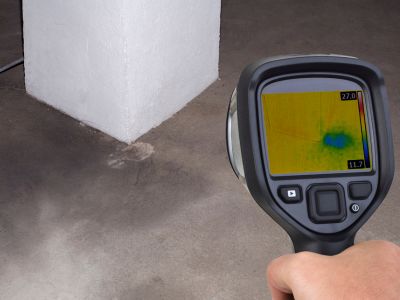
Hand holding thermal imaging camera detecting moisture near a concrete pillar, illustrating advanced technology for identifying slab leaks in plumbing repairs.Professional plumbers utilize advanced technology to detect and repair slab leaks with minimal disruption to the property. Plumbers can find the slab leak's location without damaging the property or foundation using specialized equipment such as electronic amplification devices, thermal imaging cameras, and pressure testing systems.

Once located, professionals can choose the best repair method, depending on the situation. They may perform pipe rerouting, where new pipes are installed to bypass the damaged section, tunnel under or cut through the slab to directly access and repair or replace the affected pipe section, or epoxy pipe lining, which involves coating the inside of the damaged pipe with a durable epoxy resin to form a new pipe. Professional plumbers can ensure the repair provides a long-lasting solution.

About Scott Plumbing

Scott Plumbing is a local family-owned and operated business serving Huntsville, AL, and the surrounding areas. They offer same-day service, straightforward pricing, and a no-mess promise. Call them for slab leak repair services in Huntsville, AL

High-pressure water hose nozzle spraying on concrete, demonstrating plumbing service capabilities by Scott Plumbing.

Common Causes of Sewer Line Problems That Hydrojetting is Used For

High-Pressure Drain Cleaning

Home plumbing fixtures drain into the city sewer via the main sewer line. A clogged sewer line can be a nightmare for homeowners. Blocked drains are one of the most common reasons homeowners call plumbing companies since fixing some clogs requires more than a common household plunger. 

Hydro-jetting services are one of the ways that professional plumbers can quickly clear a tough clog. When the sewer line needs to be cleared, homeowners should call a qualified professional to hydro jet the pipes. Hydrojetting involves shooting water through the line at high speeds to easily remove even the toughest clogs. 

In this blog post, plumbing experts explain how hydrojetting services can be used to fix three common causes of clogged sewer lines. High-pressure drain cleaning is the recommended method for removing blockages and cleaning sewer lines. 

Infiltrating Tree Roots

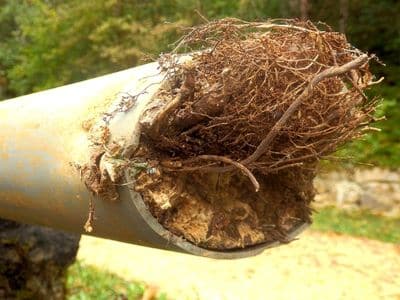
Tree roots infiltrating a sewer pipe, causing a blockage, illustrating the common plumbing issue addressed by hydrojetting services. A lot of a home’s plumbing system is located underground in the yard outside or underneath the home’s foundation. Tree roots can grow into underground plumbing in search of water. Infiltrating tree roots can cause blockages in the pipes, reduce water flow, and eventually lead to a burst pipe. 

Hydrojetting is the best way to clear tree roots from sewer or water lines. The pressurized water from the hydrojetting machine will blast away the clogs made of tree roots to clear the route for the water. After the roots are removed, any cracks where they may have entered the sewer line will also need to be fixed. 

Grease Build-Up

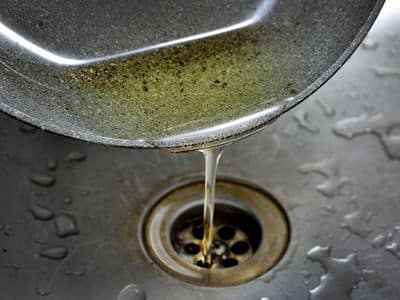
Grease pouring from a pan into a kitchen sink drain, illustrating the dangers of grease build-up in plumbing systems. Homeowners should always avoid pouring grease, cooking oil, and animal fat down the drains. It may be tempting to dispose of liquid grease by pouring it down the drain, but when the liquid cools, it hardens and coats the inside of the plumbing. Debris can get caught in the grease build-up and form nasty clogs. 

Homeowners can try to use a mix of baking soda and vinegar to clear away the grease clog. Liquid drain cleaners should never be used because they contain dangerous chemicals. Pouring hot water down the drain can also help to melt away hardened grease to unclog the drain. 

When DIY drain cleaning methods fail to get the job done, homeowners should call a trusted local plumber for hydrojetting services. High-pressure drain cleaning can unclog the line and remove all the grease build-up from the pipes to prevent future clogs. 

Flushing the Wrong Things

Flushing the wrong things down the toilet can wreak havoc on the plumbing system. A sewer line clog can make it impossible for any of the home’s plumbing fixtures to drain correctly, including the toilets. Homeowners should avoid flushing anything besides toilet paper to prevent a sewer line clog. 

Homeowners may think they are getting away with flushing trash down the toilet because the toilet doesn’t immediately clog. However, non-flushable materials can build up in the underground sewer line and damage the plumbing system even if the toilet does not clog initially. The safest way to clear clogs made of non-flushable materials from the sewer line is to use hydrojetting to blast away the source of the clog.

About Scott Plumbing

The award-winning Scott Plumbing is a local family-owned and operated company serving Huntsville, AL, and the surrounding areas. They offer same-day service, straightforward pricing, and a no-mess promise. Call them today for hydro jetting services in Huntsville, AL.