Person installing a sewer pipe in a dug trench, demonstrating sewer line repair techniques relevant to plumbing maintenance.

Smart Steps for Handling Sewer Line Repair

Important Basics to Know About Sewer Line Repair

The main sewer line carries every drain and toilet discharge away from a building, so hidden problems in this pipe can quickly affect the entire plumbing system. When trouble develops, prompt sewer line repair can limit property damage, reduce health risks, and prevent more expensive work later. Technicians rely on tools such as sewer video inspection and sewer camera inspection to see the exact condition of buried piping before choosing a solution. Depending on what they find, the answer may be targeted repairs, trenchless sewer line repair, or full sewer line replacement. Understanding the warning signs, likely causes, and modern repair methods helps property owners respond quickly when something seems off with household drains.

What Signs Indicate Sewer Line Repair Is Needed?

water Sewer issues often start subtly and then escalate. Common clues that a sewer line leak or blockage may be present include:

  • Slow draining in multiple sinks, tubs, or showers at the same time
  • Wastewater backing up into lower‑level fixtures after toilet flushing
  • Gurgling noises from drains when other fixtures run
  • Persistent odors that resemble raw sewage near drains, outside cleanouts, or in the yard

Outdoors, a damaged line can leave patches of unusually green grass, areas of soil that stay damp even in dry weather, or small sinkholes and soft spots along the pipe route. In severe cases, backups can appear in floor drains or tubs whenever large volumes of water are discharged.

What Causes Sewer Line Damage?

tree roots Several factors can compromise an underground sewer pipe. In older neighborhoods, age and corrosion gradually weaken materials, making cracks and leaks more likely. Shifting soil from temperature changes, heavy rain, or nearby construction can cause pipes to sag, separate at joints, or break. Tree roots naturally seek out moisture, so even small openings in a pipe can attract roots that eventually clog the line or crush sections of pipe. Inside the line, buildup from grease, wipes, excess paper, or scale can restrict flow and create pressure that worsens existing flaws. Poor original installation, including inadequate slope or low‑quality materials, also raises the risk of a future sewer line leak or collapse.

How Is Sewer Line Repair Done?

Repair begins with locating the problem accurately. Plumbers typically perform sewer video inspection by feeding a camera through an access point to record the interior of the pipe. This sewer camera inspection reveals cracks, root intrusion, offsets, and blockages, along with the pipe’s material and depth. For many issues, trenchless sewer repair techniques such as pipe lining or pipe bursting can restore function with minimal excavation, preserving landscaping and hard surfaces. When damage is extensive, has caused significant collapse, or involves outdated materials, traditional excavation and full sewer line replacement may be the safest long‑term solution. An experienced crew will recommend the most cost‑effective approach based on the pipe’s condition, location, and remaining lifespan.

About Scott Plumbing

Scott Plumbing is a family-owned and operated plumbing company proudly serving Huntsville and the neighboring areas with on-time plumbing solutions. With a no-mess promise and award-winning service, they are committed to ensuring customer satisfaction. Call them today for sewer line repairs in Huntsville, AL.

Kitchen garbage disposal unit installed under a sink, showcasing plumbing connections and electrical wiring, relevant to plumbing repair and maintenance services offered by Scott Plumbing.

Recognizing When the Garbage Disposal Needs Repair or Replacement

When to Call for Garbage Disposal Service

Plumbing professionals emphasize that a malfunctioning garbage disposal is more than just a kitchen inconvenience; it can lead to clogged pipes and unpleasant sanitary conditions. Because these units handle both electrical power and water, identifying early warning signs is crucial for preventing electrical shorts or significant water damage to cabinetry. Recognizing when the system is struggling allows homeowners to decide between a simple garbage-disposal repair and a full replacement before the unit fails.

Maintaining the integrity of this appliance ensures that food waste is processed efficiently and safely. When the disposal begins to exhibit inconsistent behavior, it is typically a sign that internal components are wearing out or the motor is nearing the end of its functional life. Prompt attention to these issues preserves the kitchen's plumbing health and avoids the messy cleanup associated with a seized or leaking unit.

Strange Noises or Bad Smells

bad smell Unusual sensory cues are often the first indicators that a garbage disposal requires professional assessment. These symptoms usually point to mechanical obstructions or the accumulation of organic matter within the grinding chamber that can no longer be cleared by normal operation:

  • Audible Warnings: Homeowners should listen for a humming sound from the garbage disposal, which often indicates a jammed flywheel or a seized motor that is receiving power but cannot rotate. Other sounds, such as high-pitched screeching or metallic rattling, can signal loose mounting hardware, failing bearings, or broken or grinding components.
  • Persistent Odors: Foul smells that persist even after flushing the unit with water and soap can indicate that food particles are trapped in the internal seals or that the splash guard has become a breeding ground for bacteria.
  • Internal Decay: In cases where deep cleaning fails to resolve the odor, it may indicate internal corrosion or cracks in the plastic housing that allow waste to become permanently lodged. This level of decay often makes a new garbage disposal installation the most hygienic and effective option.

Ignoring these sounds and smells can lead to a total motor burnout or a complete blockage of the sink's drainage system. Addressing these red flags early ensures that a minor obstruction doesn't turn into a major plumbing emergency, keeping the kitchen environment fresh and the appliance running quietly.

Leaks

leak A leaking garbage disposal is a serious issue that requires immediate attention to protect the kitchen sink's structural integrity and the surrounding cabinetry. Water can escape from several different points on the unit, each indicating a specific type of failure that needs to be addressed by an expert:

  • Seal and Gasket Failures: Over time, the motor's constant vibration can cause the mounting bolts to loosen slowly or the plumber's putty at the sink flange to dry out and crack. This leads to garbage-disposal leaks that originate at the very top of the unit, where it meets the sink.
  • Internal Housing Leaks: If water is dripping directly from the bottom of the disposal's shell or from the electrical reset area, it usually indicates that an internal seal has failed. This allows water to come into contact with the motor and wiring, creating a safety hazard.
  • Pipe Connection Issues: Leaks can also develop at the points where the unit connects to the dishwasher drain line or the main waste pipe. These connections can fail due to age or improper initial installation, leading to standing water under the sink.

Because water sitting under a sink can quickly lead to mold growth and wood rot, identifying a leak early is essential for home maintenance. In many cases, a leak from the unit itself is a definitive sign that a garbage disposal replacement is necessary, as internal seals are rarely cost-effective to replace compared to the cost of a new unit.

It Won't Turn On or Needs Frequent Resets

When a disposal becomes unresponsive, it usually points to an electrical or mechanical overload that the system's internal safety features are trying to manage. Understanding how to interact with these features can help determine the severity of the problem:

  • Power Failures: If the unit remains completely silent when the switch is flipped, it may have tripped a circuit breaker or activated the internal thermal overload protector to prevent a fire.
  • Frequent Resets: Repeatedly pressing the garbage disposal reset button at the bottom of the unit is a sign that the motor is overheating or struggling to turn on against normal resistance. This recurring need for a manual reset suggests the motor is nearing the end of its lifespan and can no longer handle standard kitchen waste.
  • Mechanical Resistance: A motor that hums but won't spin often indicates that an object is wedged between the impellers and the grind ring. If the unit is forced to run in this state, it can cause the electrical components to fail permanently.

While a single reset might solve a temporary jam caused by a stray bone or fruit pit, chronic electrical issues often mean the unit is no longer reliable. Plumbing experts can help determine if the household wiring is at fault or if it is time to invest in a garbage disposal repair or a total replacement to restore full, safe functionality to the kitchen.

About Scott Plumbing

Scott Plumbing is a family-owned company delivering reliable, high-quality plumbing services with a commitment to professionalism and customer care. Backed by experienced, licensed technicians, we provide on-time service, honest pricing, and dependable solutions—ensuring every job is done right with 100% satisfaction guaranteed. Call their expert team today for expert kitchen plumbing & garbage disposal services in Huntsville, AL

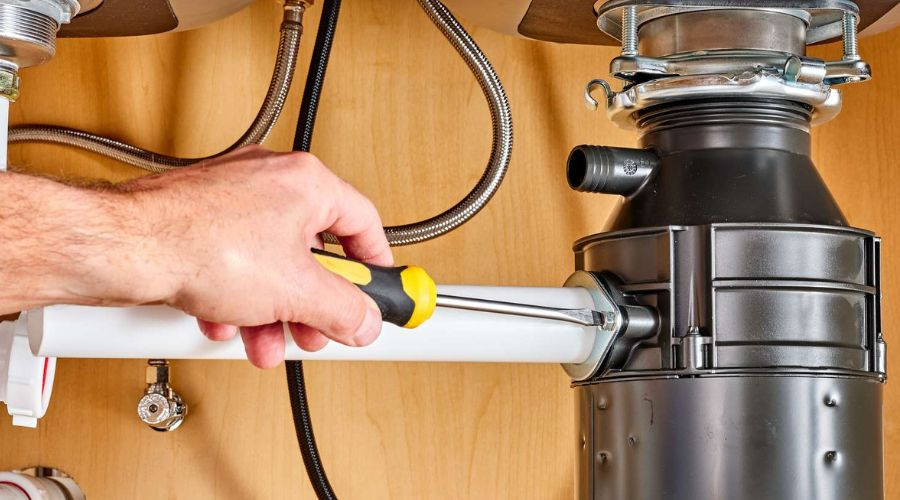
A hand using a screwdriver on plumbing fixtures, including a garbage disposal and pipes, for Scott Plumbing maintenance.

When Does a Home Need Garbage Disposal Repair?

Three Signs of a Failing Garbage Disposal

Garbage disposals are one of the fantastic modern tools that makes it easier to keep the kitchen clean. This hidden appliance grinds organic waste, allowing it to be put down the drain and travel safely through the pipes instead of going into the trash. With faulty garbage disposals, the food waste going down the drain may not be ground enough and cause problems for the plumbing, such as clogs. 

Like any other part of the house, a garbage disposal may occasionally need repair or may give out completely. Homeowners should not settle for half-functioning garbage disposals and get garbage disposal repair or replacement if the symptoms that are discussed in the following paragraphs are noticed.

Humming, Screeching, and Other Unusual Noises

noises

While these appliances are not known for being quiet when they are operating, the garbage disposal that normally makes a grinding and whirring sound may change its tune if something has gone wrong. Some sounds indicating problems with the garbage disposal are:

  • Clanking: This can mean that a utensil has fallen into the disposal. A homeowner should quickly turn the disposal off and remove the silverware.
  • Humming: Garbage disposal humming usually happens when it is turned on, but it does not seem to be working. This typically means that it is jammed, and the blades cannot move. This safety feature can sometimes be fixed by hitting the reset button on the bottom of the appliance.
  • Screeching: This loud metallic sound usually means something is out of place or broken inside the unit or the motor has a problem. Homeowners should not use their disposal if it makes noises like this, as it could make things worse.

Slowing Down and Not Functioning Well

Poor performance is a sure sign that the garbage disposal has an issue or is nearing the end of its functional life. Several scenarios can signal poor performance of the unit. If it is taking longer than it should to do its job, it is frequently becoming clogged, or a homeowner must use the garbage disposal reset button often, then the garbage disposal in question should be looked at by a professional. 

There is no reason to put up with partially functional and ineffective garbage disposals when a professional can fix or replace them. When the garbage disposal is experiencing these performance issues, it can also cause problems for the plumbing, so fixing them quickly is important. 

Bad Odors

smell

A garbage disposal that is experiencing problems can also stink up the kitchen. Bad garbage disposal smells can be attributed to several things, and sometimes it is just a matter of cleaning them to remove any food stuck on the blades. Still, sometimes there is a more significant problem that needs addressing. 

Bad smells could indicate the garbage disposal is jammed or clogged with food or could point to a clog in the piping below the garbage disposal that may have been caused by the garbage disposal not working well enough to grind food waste sufficiently to travel through the pipes. 

About Scott Plumbing

Scott Plumbing is a local family-owned and operated business serving Huntsville and the surrounding communities. They provide straightforward pricing, same-day service, and a satisfaction guarantee. Call them today for kitchen plumbing and garbage disposal services in Huntsville, AL