

Important Basics to Know About Sewer Line Repair
The main sewer line carries every drain and toilet discharge away from a building, so hidden problems in this pipe can quickly affect the entire plumbing system. When trouble develops, prompt sewer line repair can limit property damage, reduce health risks, and prevent more expensive work later. Technicians rely on tools such as sewer video inspection and sewer camera inspection to see the exact condition of buried piping before choosing a solution. Depending on what they find, the answer may be targeted repairs, trenchless sewer line repair, or full sewer line replacement. Understanding the warning signs, likely causes, and modern repair methods helps property owners respond quickly when something seems off with household drains.
What Signs Indicate Sewer Line Repair Is Needed?
 Sewer issues often start subtly and then escalate. Common clues that a sewer line leak or blockage may be present include:
- Slow draining in multiple sinks, tubs, or showers at the same time
- Wastewater backing up into lower‑level fixtures after toilet flushing
- Gurgling noises from drains when other fixtures run
- Persistent odors that resemble raw sewage near drains, outside cleanouts, or in the yard
Outdoors, a damaged line can leave patches of unusually green grass, areas of soil that stay damp even in dry weather, or small sinkholes and soft spots along the pipe route. In severe cases, backups can appear in floor drains or tubs whenever large volumes of water are discharged.
What Causes Sewer Line Damage?
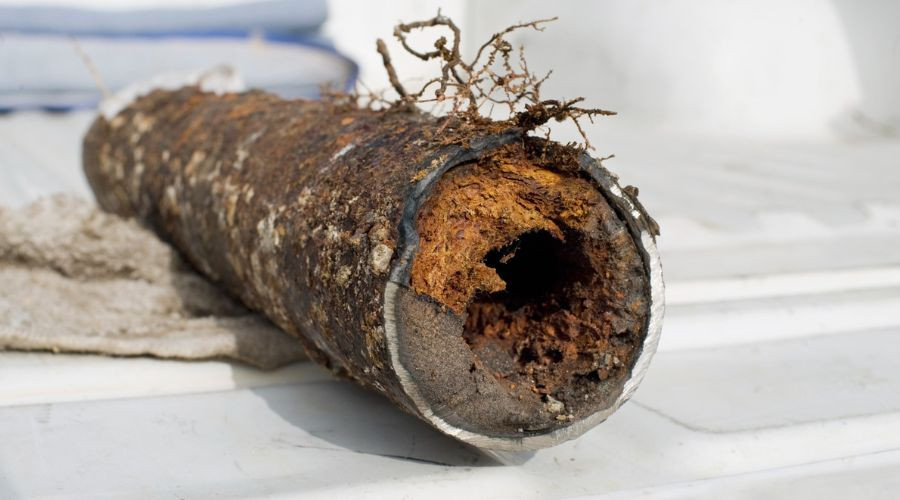
 Several factors can compromise an underground sewer pipe. In older neighborhoods, age and corrosion gradually weaken materials, making cracks and leaks more likely. Shifting soil from temperature changes, heavy rain, or nearby construction can cause pipes to sag, separate at joints, or break. Tree roots naturally seek out moisture, so even small openings in a pipe can attract roots that eventually clog the line or crush sections of pipe. Inside the line, buildup from grease, wipes, excess paper, or scale can restrict flow and create pressure that worsens existing flaws. Poor original installation, including inadequate slope or low‑quality materials, also raises the risk of a future sewer line leak or collapse.
How Is Sewer Line Repair Done?
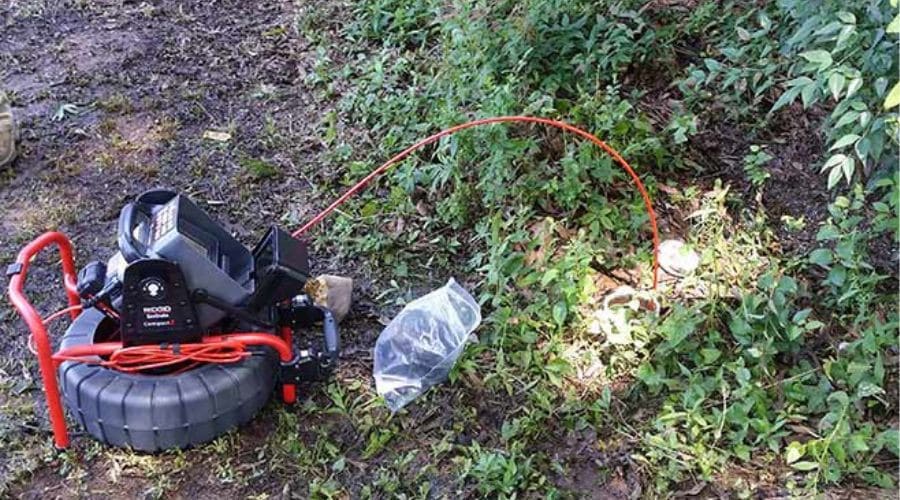
Repair begins with locating the problem accurately. Plumbers typically perform sewer video inspection by feeding a camera through an access point to record the interior of the pipe. This sewer camera inspection reveals cracks, root intrusion, offsets, and blockages, along with the pipe’s material and depth. For many issues, trenchless sewer repair techniques such as pipe lining or pipe bursting can restore function with minimal excavation, preserving landscaping and hard surfaces. When damage is extensive, has caused significant collapse, or involves outdated materials, traditional excavation and full sewer line replacement may be the safest long‑term solution. An experienced crew will recommend the most cost‑effective approach based on the pipe’s condition, location, and remaining lifespan.
About Scott Plumbing
Scott Plumbing is a family-owned and operated plumbing company proudly serving Huntsville and the neighboring areas with on-time plumbing solutions. With a no-mess promise and award-winning service, they are committed to ensuring customer satisfaction. Call them today for sewer line repairs in Huntsville, AL.
)
Distribution Links +
- https://smb.bogalusadailynews.com
- https://smb.magnoliastatelive.com
- https://smb.orangeleader.com
- https://smb.panews.com
- https://smb.picayuneitem.com
- https://smb.lobservateur.com
- https://smb.americustimesrecorder.com
- https://smb.amnews.com
- https://smb.oxfordeagle.com
- https://smb.claiborneprogress.net
- https://smb.jessaminejournal.com
- https://smb.kenbridgevictoriadispatch.com
- https://smb.harlandaily.com
- https://smb.irontontribune.com
- https://smb.ourdavie.com
- https://smb.thecharlottegazette.com
- https://smb.theinteriorjournal.com
- https://smb.tryondailybulletin.com
- https://smb.winchestersun.com
- https://smb.farmvilleherald.com
- https://smb.salisburypost.com
- https://smb.middlesboronews.com
- https://smb.thepostsearchlight.com
- https://smb.theleesvilleleader.com
- https://smb.prentissheadlight.com
- https://smb.beauregardnews.com
- https://pr.boreal.org
- https://pr.thembnews.com
- https://pr.timesofsandiego.com
- https://pr.chestercounty.com
- https://pr.wncbusiness.com
- https://pr.franklintownnews.com
- https://pr.hollistontownnews.com
- https://pr.naticktownnews.com
- https://pr.millismedwaynews.com
- https://pr.norfolkwrenthamnews.com
- https://pr.rivertonjournal.com
- https://pr.southjordanjournal.com
- https://pr.valleyjournals.com
- https://pr.wvcjournal.com
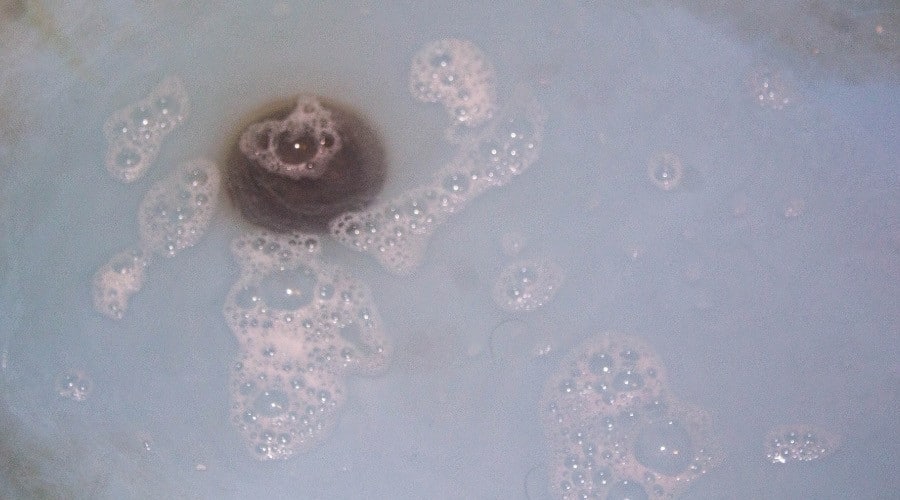
 Gurgling noises coming from sinks, tubs, or toilets typically indicate air trapped behind a developing obstruction in the sewer line. As wastewater encounters resistance from a sewer line clog, displaced air pushes back through fixture traps, creating the familiar “glugging” sound. The louder and more frequent the noise, the more likely it is that the flow is restricted somewhere along the main path.
 Simultaneous backups in several fixtures are among the most definitive signs of a sewer line clog. When the main pipe cannot convey wastewater to the municipal connection or septic tank, flow reverses into the lowest drains—often a basement floor drain, first‑floor shower, or utility sink. Cross‑fixture reactions provide additional confirmation: a shower filling when a toilet is flushed, a tub backing up during a laundry cycle, or gurgling in one room when water is used in another. These patterns indicate a centralized obstruction within the main and not an isolated trap.
)
 Clogs are the most common problem to affect sewer lines. Fortunately, preventing them is easier than it may seem—it comes down to what goes into the drains and toilets. Cooking grease and oils, fibrous foods, coffee grounds, and more food scraps and items are major culprits behind sewer line clogs and shouldn’t be put down the drains, even if they have
  Sewer line leaks are a serious problem and should also be caught and fixed quickly. So, homeowners should be on the lookout for the following signs:
)
 One
One  Before a backup occurs, the drain will usually show another warning sign of a clogged sewer line, which is slow draining. Most clogs form slowly over weeks or even months. As the clog forms, the flow of water draining from the sink, bathtub, and shower drains will slow down.
 )
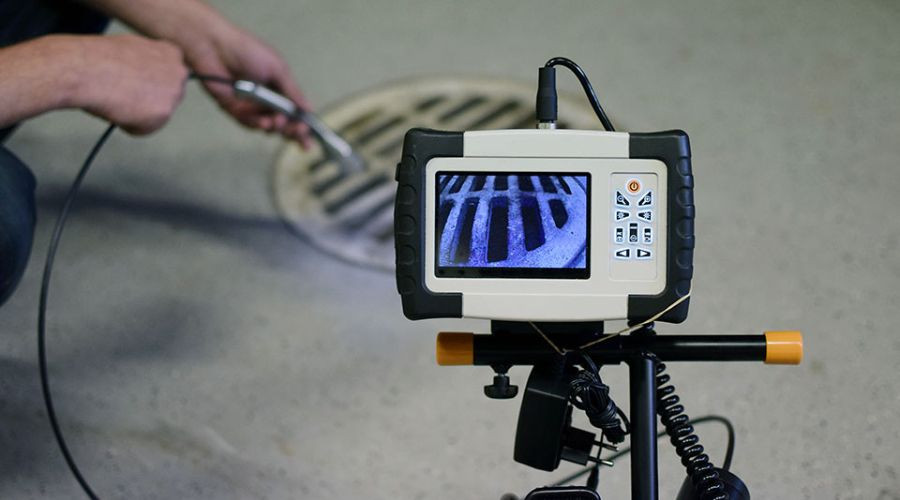
 A sewer camera inspection involves inserting a small camera into the
  There are numerous benefits to utilizing sewer camera inspection, with its ability to catch all sorts of issues and damage like leaks, clogs,
 )