

How to Identify a Sewer Line Clog and the Need for Drain Cleaning
Early signs that the sewer line is clogged—such as strange gurgles, persistent odors, or multiple slow-draining fixtures—often precede a costly sewage overflow. Recognizing these warnings quickly helps prevent a messy backup and structural damage. This guide outlines the most common red flags of a clogged sewer line, how to distinguish main-line issues from single-fixture problems, and when professional drain cleaning methods, such as a drain snake or hydro jetting, are required.
Gurgling Noises or a Bad Smell

Odors offer another strong clue. When a blockage disrupts normal venting, sewer gases can migrate through drains rather than escape up the stack. A sulfur‑like or sewage smell appearing at multiple fixtures is a hallmark symptom of a clogged sewer line rather than a localized issue. Because these conditions often worsen over time, prompt evaluation is essential. A professional inspection can locate the obstruction with a camera and determine the best clearing method—ranging from a motorized drain snake for compacted debris to hydro jetting for thick layers of grease or scale. If damage such as cracks, offsets, or bellied sections is discovered, targeted sewer line repair may be necessary to prevent recurrence.
Slow Draining
Slow draining across several fixtures at once points strongly to a sewer line problem rather than a single branch clog. Early on, standing water may linger in a shower or tub, or sinks may drain with a delayed “burp.” As the partial obstruction grows, the slowdown becomes more widespread and persistent. The pattern matters: one sluggish fixture typically suggests a nearby blockage; multiple slow drains—especially on different floors—signal a deeper restriction within the main.
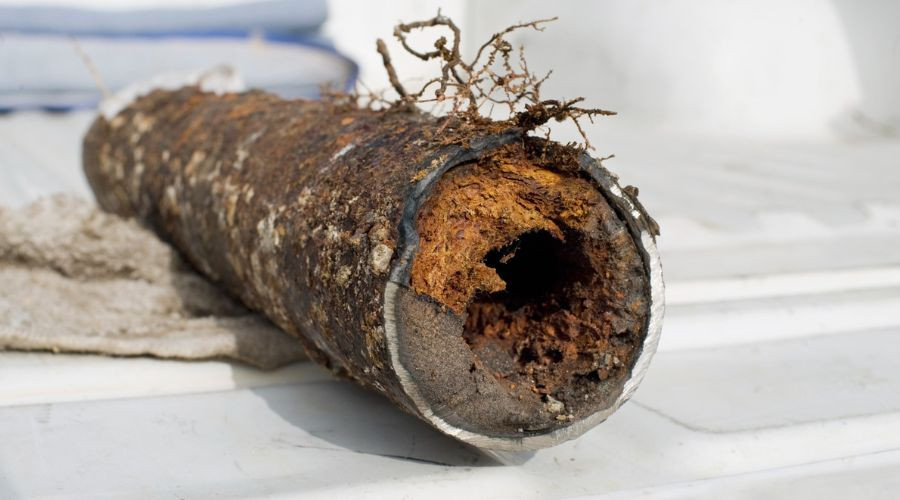
Confirming a sewer line clog usually begins with diagnostics. A camera survey can identify whether the issue stems from root intrusion, heavy grease buildup, accumulated sediment, or a foreign object lodged downstream. Clearing methods are chosen based on what the camera reveals. A heavy‑duty drain snake can break through compacted masses or light root growth, while hydro jetting scours pipe walls to restore internal diameter for long‑term flow. When slow draining persists due to structural defects, corrective work and, if needed, sewer line repair provide a durable solution that reduces the likelihood of repeat clogs and protects finished spaces from water damage.
Backups Throughout Your Home

DIY measures are rarely effective for deep blockages and can sometimes damage piping. Professional drain cleaning pairs video diagnostics with the right tool for the job: a motorized drain snake to penetrate compact debris or limited roots, and hydro jetting to remove heavier deposits and restore interior pipe capacity. After clearing, a follow‑up camera inspection verifies success and identifies any conditions that may require further attention—such as cracked segments, severe joint misalignment, or ongoing root infiltration that could call for localized repairs. Addressing widespread backups promptly helps prevent raw sewage from entering living spaces and limits the scope of restoration.
A proactive strategy—listening for gurgling, monitoring odors, tracking slow drainage patterns, and responding quickly to backups—offers the best defense against a major sewer event. With accurate diagnosis, appropriate drain cleaning, and corrective work where needed, long‑term reliability can be restored to the sewer line.
About Scott Plumbing
Scott Plumbing is a top-rated plumbing company that provides on-time service to Huntsville and its surrounding communities. They offer straightforward pricing and same-day service, so that customer satisfaction is guaranteed. Call them today to schedule sewer line repair in Huntsville, AL.
)
Distribution Links +
- https://smb.magnoliastatelive.com
- https://smb.picayuneitem.com
- https://smb.alabamanow.com
- https://smb.albertleatribune.com
- https://smb.andalusiastarnews.com
- https://smb.alexcityoutlook.com
- https://smb.atmoreadvance.com
- https://smb.austindailyherald.com
- https://smb.oxfordeagle.com
- https://smb.greenvilleadvocate.com
- https://smb.jessaminejournal.com
- https://smb.kenbridgevictoriadispatch.com
- https://smb.leaderpub.com
- https://smb.selmatimesjournal.com
- https://smb.windsorweekly.com
- https://smb.harlandaily.com
- https://smb.thecoastlandtimes.com
- https://smb.theinteriorjournal.com
- https://smb.tryondailybulletin.com
- https://smb.salisburypost.com
- https://smb.shelbycountyreporter.com
- https://smb.suffolknewsherald.com
- https://smb.lagrangenews.com
- https://smb.roanoke-chowannewsherald.com
- https://smb.tallasseetribune.com
- https://pr.washingtoncitypaper.com
- https://smb.prentissheadlight.com
- https://smb.beauregardnews.com
- https://pr.hattiesburg.com
- https://pr.thembnews.com
- https://pr.chestercounty.com
- https://pr.ashlandtownnews.com
- https://pr.hollistontownnews.com
- https://pr.naticktownnews.com
- https://pr.millismedwaynews.com
- https://pr.norfolkwrenthamnews.com
- https://pr.davisjournal.com
- https://pr.columbiabusinessmonthly.com
- https://pr.mysugarhousejournal.com
- https://pr.holladayjournal.com
- https://pr.millcreekjournal.com
- https://pr.sandyjournal.com
- https://pr.valleyjournals.com
- https://pr.wvcjournal.com
- htv10.tv
- central.newschannelnebraska.com
- metro.newschannelnebraska.com
- southeast.newschannelnebraska.com
- northeast.newschannelnebraska.com
- plattevalley.newschannelnebraska.com
- panhandle.newschannelnebraska.com
- rivercountry.newschannelnebraska.com
- lifestyle.mykmlk.com
- lifestyle.3wzfm.com
- lifestyle.southernsportstoday.com
- lifestyle.thepodcastpark.com
- lifestyle.680thefan.com
- lifestyle.xtra1063.com
- lifestyle.953hlf.com
- lifestyle.rewind1019.com
- lifestyle.us983.com
- lifestyle.countrylegends1059.com
- lifestyle.967wshv.com
- lifestyle.1045thedan.com
- lifestyle.kbew98country.com
- lifestyle.kccrradio.com
- lifestyle.capitalcityrock.com
 One
One  Before a backup occurs, the drain will usually show another warning sign of a clogged sewer line, which is slow draining. Most clogs form slowly over weeks or even months. As the clog forms, the flow of water draining from the sink, bathtub, and shower drains will slow down.
 )
 Once there’s
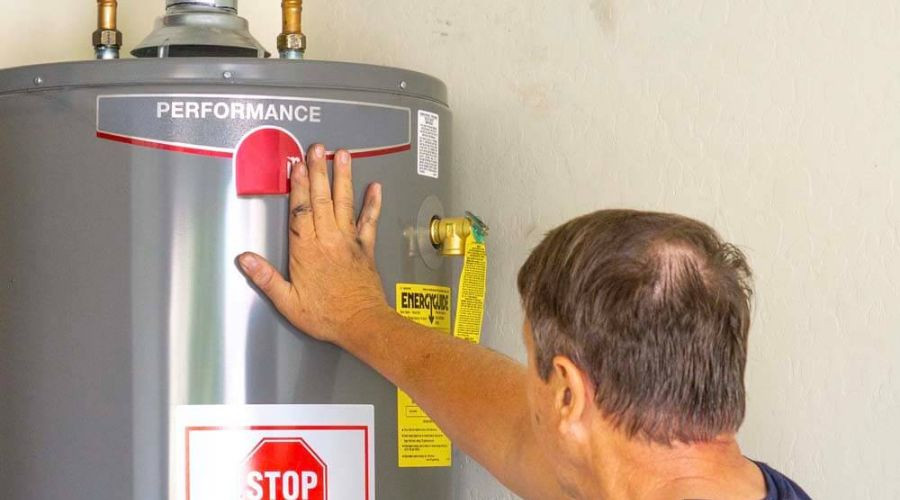
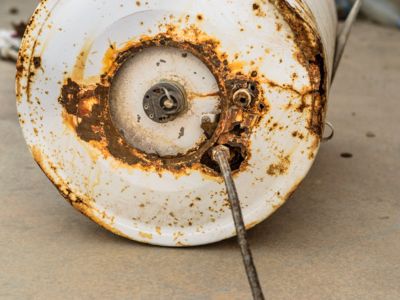
  There’s no use in having a hot water heater if it doesn’t do its job properly. While some reasons for cold, lukewarm water, or hot water that runs out quicker are fixable, some issues causing them may warrant replacing the entire
 )