
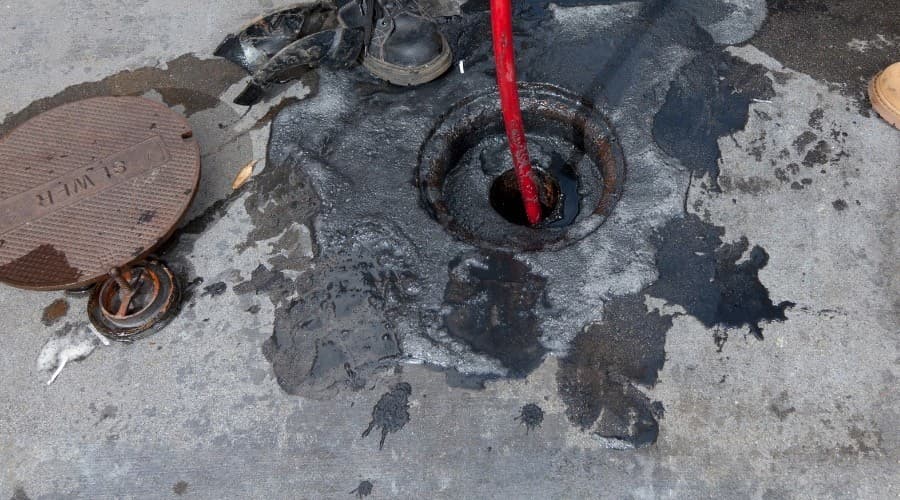
Clear Sewer Line Clogs With Hydro Jet Drain Cleaning
Sewer line clogs are one of the most disruptive plumbing problems a property can face, and finding the right solution makes all the difference between a temporary fix and a lasting one. Hydro jetting has emerged as one of the most powerful and reliable methods for clearing even the most stubborn blockages deep within sewer lines. Understanding how this process works, when it's needed, and what makes it stand out from other methods helps property owners make informed decisions about their plumbing care.
What Is Hydro Jetting?
Hydro jetting is a professional drain cleaning method that uses highly pressurized streams of water to blast through blockages and flush debris out of sewer lines. The process involves inserting a specialized hose with a multi-directional nozzle into the pipe, where water pressure reaching up to 4,000 PSI works to cut through grease, scale, tree roots, and other stubborn buildup that clings to pipe walls. The result is a thoroughly cleaned pipe that flows freely, restoring the sewer line closer to its original capacity.
Before any hydro jetting service begins, a trained plumber must perform a video camera inspection to assess the current condition of the pipes. This step is critical because older or structurally weakened pipes may not be able to withstand the intense water pressure involved in the process, and skipping the inspection could lead to pipe damage rather than a solution. When the pipes are in good condition and the procedure is carried out by a skilled professional, hydro jetting is completely safe and poses no risk of harm to the plumbing system.
The technology behind hydro jetting has made it a go-to solution for both residential and commercial plumbing systems dealing with severe or recurring blockages. A professional-grade hydro jet machine gives plumbers the control needed to adjust pressure levels based on the pipe material and the severity of the clog. With the right equipment and expertise, the cleaning process is thorough, precise, and far less invasive than many property owners might expect.
What Signs Indicate Hydro Jetting Is Needed?
 The plumbing system often gives clear warning signals before a sewer line clog becomes a full-blown plumbing emergency, and knowing how to read those signs can save a property owner from costly damage. Slow-draining sinks, showers, or tubs are among the earliest indicators that something is building up inside the sewer line and restricting the normal flow of water. When multiple drains throughout the property begin slowing down at the same time, the clog is likely located deeper in the main sewer line rather than in a single fixture.
Beyond slow drainage, foul odors rising from drains, and gurgling sounds coming from toilets or pipes are telltale signs that a serious blockage has taken hold somewhere in the sewer system. These symptoms occur because trapped waste and debris begin to decompose inside the pipe, releasing gases that travel back up through the drain openings. Ignoring these warning signs often allows the problem to worsen until a complete backup forces wastewater to reverse direction and enter the property.
Frequent and recurring clogs are perhaps the strongest signal that standard drain cleaning methods have only been addressing the surface of a much deeper problem. Each time a drain snake clears a blockage, it may open a small path through the clog without removing the thick layer of grease, minerals, and debris that continues to coat the inner walls of the pipe. Hydro jetting is the solution that reaches those pipe walls directly, fully stripping away the accumulated buildup and eliminating the conditions that allow clogs to keep coming back.
What Are the Benefits of Hydro Jetting?
 When comparing drain cleaning methods, hydro jetting consistently stands apart as the most thorough and effective option available to property owners dealing with persistent sewer line problems. Unlike a drain snake, which physically pushes through a clog and creates an opening without truly cleaning the pipe, hydro jetting scours the entire interior surface of the line and removes buildup completely. The difference is not just in how the clog is cleared but in how long the results actually last.
Chemical drain cleaners are another commonly used alternative, but they carry risks that make them a poor long-term solution for sewer line maintenance. The caustic chemicals in these products can gradually corrode pipe materials, particularly in older plumbing systems, weakening the structural integrity of the pipes over time with repeated use. Hydro jetting relies entirely on the power of water, meaning there are no harmful chemicals introduced into the plumbing system or the surrounding environment.
One of the most compelling advantages of hydro jetting is that it leaves nothing behind inside the pipe after the job is done. Drain snakes can dislodge debris and push it further down the line, where it may settle and become the foundation for the next clog. Hydro jetting flushes all of that material completely out of the system, leaving behind a clean pipe that resists future buildup and keeps the sewer line functioning efficiently for a much longer period of time.
About Scott Plumbing
Scott Plumbing is a family-owned and operated plumbing business serving Huntsville, AL, and beyond. They offer straightforward pricing, a no-mess promise, and satisfaction guaranteed. Call them today for expert hydro jetting services in Huntsville, AL.
)

 Gurgling noises coming from sinks, tubs, or toilets typically indicate air trapped behind a developing obstruction in the sewer line. As wastewater encounters resistance from a sewer line clog, displaced air pushes back through fixture traps, creating the familiar “glugging” sound. The louder and more frequent the noise, the more likely it is that the flow is restricted somewhere along the main path.
 Simultaneous backups in several fixtures are among the most definitive signs of a sewer line clog. When the main pipe cannot convey wastewater to the municipal connection or septic tank, flow reverses into the lowest drains—often a basement floor drain, first‑floor shower, or utility sink. Cross‑fixture reactions provide additional confirmation: a shower filling when a toilet is flushed, a tub backing up during a laundry cycle, or gurgling in one room when water is used in another. These patterns indicate a centralized obstruction within the main and not an isolated trap.
)
 One
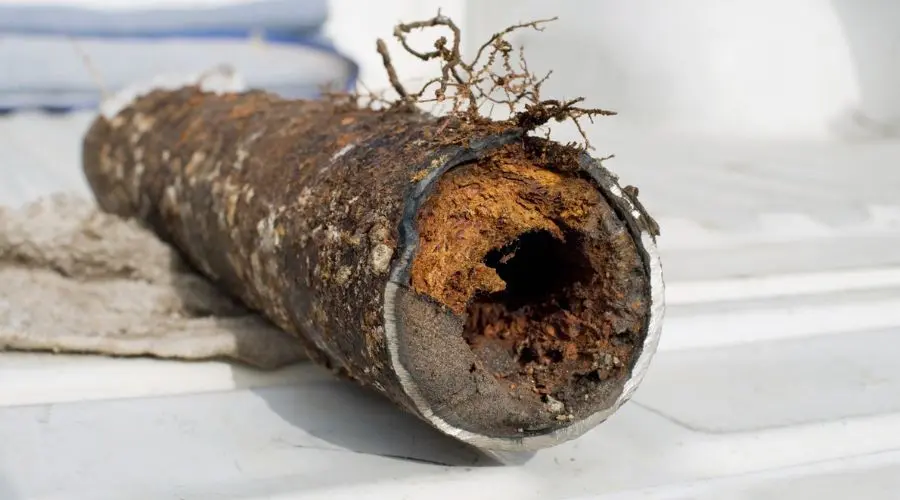
One  Before a backup occurs, the drain will usually show another warning sign of a clogged sewer line, which is slow draining. Most clogs form slowly over weeks or even months. As the clog forms, the flow of water draining from the sink, bathtub, and shower drains will slow down.
 )
 Once there’s
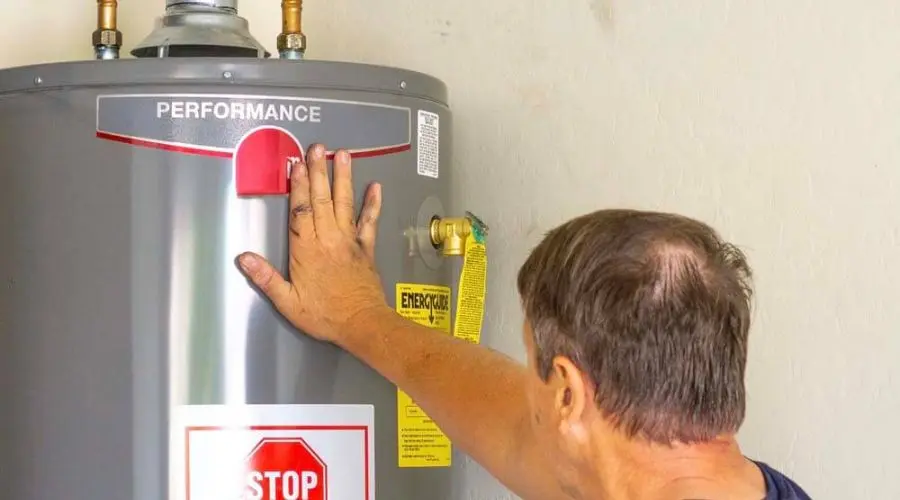
  There’s no use in having a hot water heater if it doesn’t do its job properly. While some reasons for cold, lukewarm water, or hot water that runs out quicker are fixable, some issues causing them may warrant replacing the entire
 )