How to Quickly Spot Water Leaks

Signs to Call for Professional Water Leak Detection and Repair

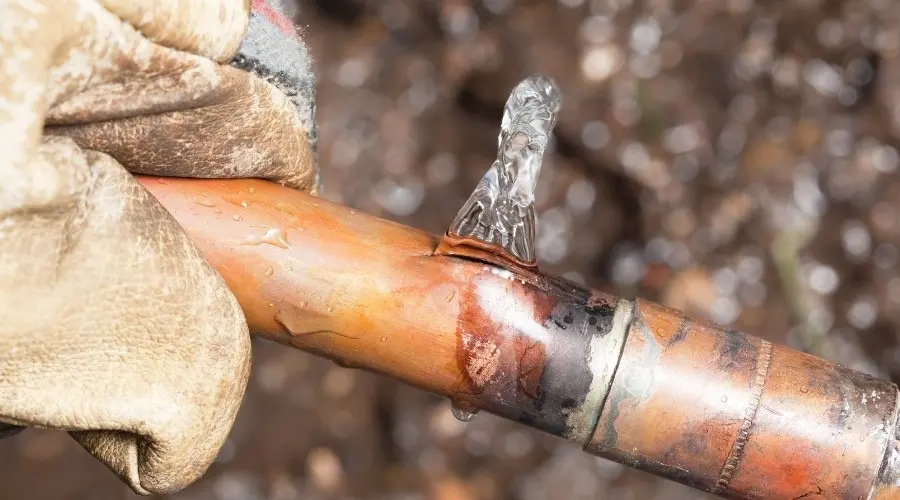
If homeowners notice warning signs of water leaks, they should immediately call for water leak detection and repair, as leaks pose a considerable risk of property damage and can drastically increase water bills. This guide outlines several common signs and straightforward methods to help identify a water leak.

High Water Bills

An unexpectedly high water bill is an indication of a leak. While increased water consumption from seasonal activities or additional household guests can explain higher water costs, an unexplained surge in water expenses is a serious warning sign of a leak, signaling the need for professional water leak detection and repair.

Once a professional plumber performs the necessary water leak repair, it will lead to lower future water bills and substantial cost savings for the property owner. Ignoring evidence of a leak not only wastes money on excessive water consumption but also risks extensive structural and water damage, which are often costly to remediate. 

Other Signs of a Leak

leak Additional signs that can point to a water leak include a drop in water pressure from fixtures, the sound of water running or dripping when all water-using appliances and fixtures are off, a damp or musty odor, and visual evidence of water exposure, such as water stains and discoloration on walls or ceilings, damaged or warping floors, flaking or bubbling paint or wallpaper, soft areas on walls, ceilings, or floors, and the presence of mold or mildew.

If any signs of a leak are spotted, it is crucial to call a plumber to locate and fix the leak quickly. The longer the water leak is allowed to continue, the more water damage and structural damage can occur, and the more expensive the damage can become to fix.

Use the Water Meter

water meter Property owners can also conduct a simple test for a water leak by monitoring their water meter. Begin by confirming that every water-using fixture and appliance, both inside and outside the home, is completely shut off. Next, locate the water meter and record the exact reading displayed. Avoid using any water for a defined period, typically 1 to 2 hours. If the meter reading has changed during this period of non-use, it confirms a leak.

People can also use another method to identify a leak using their water meters. Many modern water meters include a small leak indicator component, usually shaped like a triangle, gear, or small star. If this leak indicator continues to move and spin even when no water is being used, it can also signal a water leak. Regardless of whether the water meter or warning signs indicate a leak, a professional should be called right away to locate and repair it.

Call Scott Plumbing

Scott Plumbing is a local, family-owned and operated company with award-winning service in the Huntsville, Alabama community. They provide same-day service, straightforward pricing, and on-time arrival. Call them for water leak detection and leak repair services in Huntsville, AL.

Distribution Links +

The Benefits of Choosing to Install a Tankless Water Heater

Why Get a Tankless Water Heater Installation?

If it’s time for a new water heater installation or replacement, a tankless water heating system is an excellent option to consider. Tankless water heaters provide some substantial benefits compared to conventional storage tank models, ranging from superior energy efficiency to a longer lifespan. This post will explore some significant advantages of a tankless water heater installation.

Energy Efficiency

save money Tankless water heaters boast better energy efficiency than traditional water heaters that use a large storage tank. A standard storage water heater must constantly keep the water in its tank heated to ensure immediate availability. This process results in standby heat loss even when no hot water is being used, using more energy and leading to higher monthly utility costs.

However, a tankless water heating system activates only when a demand for hot water occurs. By eliminating the continuous energy waste of standby heat loss, tankless units are far more energy efficient. This increased efficiency directly translates into reduced water-heating expenses, generating monthly savings for homeowners.

Endless Hot Water Supply and Space Savings

shower One of the most beneficial features of tankless water heating technology is its ability to provide a continuous flow of hot water. Traditional storage tank water heaters hold a set volume of hot water in their tank. Once this supply is exhausted, people can face the unwelcome reality of cold showers or a lengthy wait while the tank refills and reheats.

Tankless water heaters, on the other hand, heat water passing through the unit. Because they operate without a storage tank and only heat water when it’s needed, they won’t run out of hot water, which provides households with the comfort of knowing that hot water will be available whenever they need it.

Furthermore, the absence of a bulky hot water tank is a major advantage for space utilization. Tankless water heaters are compact, often mounted directly on the wall, occupying considerably less room than the large storage tanks of conventional units. This design allows homeowners to reclaim valuable storage or utility space.

Longer Life Expectancy

Opting for a tankless water heater is also beneficial due to its extended service life. While homeowners can expect a conventional storage water heater to last approximately 10 to 15 years before a water heater replacement is necessary, tankless models can last for more than 20 years with routine water heater maintenance.

This longer life expectancy means a tankless water heater delays the substantial cost and inconvenience of purchasing and installing a replacement unit, further adding to the long-term value and savings achieved by switching to a tankless water heater system.

About Scott Plumbing

Scott Plumbing has been providing reliable plumbing services to the Huntsville community since 2014. They offer same-day service, straightforward pricing, and trusted technicians. Call them for tankless water heater installation in Huntsville, AL

Distribution Links +

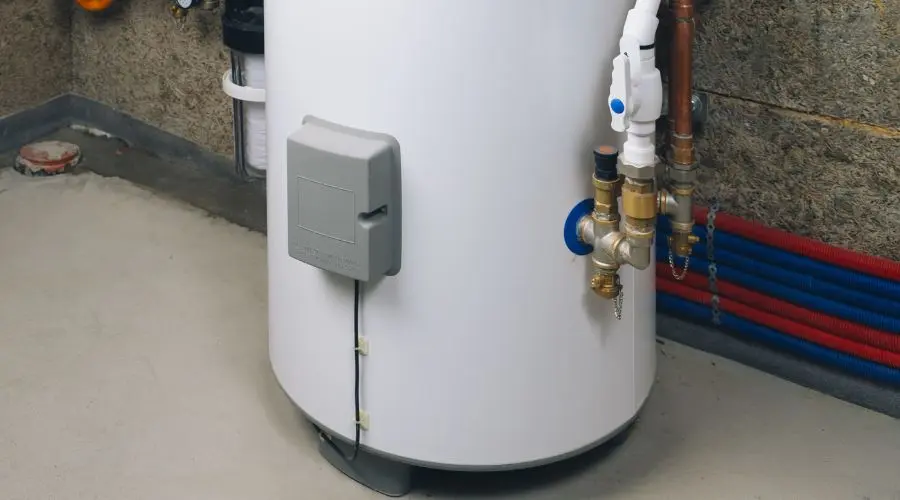
Water heater installation with plumbing connections and insulation in a basement setting, relevant to gas and electric water heater comparison.

Choosing Between Electric or Gas Water Heaters

Pros and Cons of Different Water Heaters

In the realm of water heaters, one size does not fit all. Homeowners must assess their specific needs, including budget flexibility, safety concerns, and local climate impacts, such as potential power outages. The following sections outline the detailed pros and cons of both gas and electric water heaters.

Gas Water Heater

water heater Gas water heaters have traditionally been the preferred choice among homeowners. Here's a closer look at why this type may be the right choice for certain water heating needs.

Pros:

  • Lower Operating Costs: Generally, gas water heaters are less expensive to operate compared to electric models. This can be especially advantageous in larger households with higher water consumption.
  • Fast Water Heating: Gas water heaters heat water more rapidly than electric versions, providing nearly instant hot water when needed.

Cons:

  • Potential Safety Risks: Gas appliances come with inherent risks of gas leaks. Proper installation and regular maintenance are imperative for safety.
  • Requirement for Venting and Gas Hookups: Proper venting is necessary to expel gases outside the home safely, and a gas hookup is required. This may complicate installation if the home is not already equipped.

For those evaluating their options, a gas water heater might be appealing if lower long-term operational costs and quicker heating times are crucial considerations. However, safety and installation complexities must be taken into account.

Electric Water Heater

water heater Electric water heaters have gained popularity with advances in technology and safety features, presenting a different set of advantages and constraints.

Pros:

  • Lower Installation Costs: Electric water heaters generally have a lower initial installation cost, making them a more budget-friendly option.
  • Increased Safety: Unlike gas water heaters, electric models eliminate the risk of gas leaks, making them a safer alternative for households concerned about gas-related hazards.

Cons:

  • Higher Operating Costs: The cost of electricity can lead to higher operational expenses over time when compared to gas options.
  • Dependence on Electricity: During a power outage, an electric water heater will cease to function, potentially leaving the home without hot water when needed most.

Electric water heaters are often chosen for their safety and lower initial costs, yet their higher operating expenses and reliance on a constant electricity supply are important factors to consider.

Factors to Consider Before Installation

Deciding between a gas or electric water heater extends beyond simply evaluating individual pros and cons. The following factors should guide homeowners in making the appropriate choice for water heater installation or replacement.

  • Home Susceptibility to Power Outages: In areas prone to frequent power outages, a gas water heater may offer reliable service during such events, operating independently of the home's electricity.
  • Availability of Gas Hookups: The presence or absence of gas lines within the home will greatly influence the decision. Homes lacking existing gas lines may find electric options more feasible given the expense and complexity of installing new gas connections.
  • Safety Concerns Regarding Gas Leaks: For those prioritizing safety, particularly concerning gas leaks, an electric water heater may better meet their needs, offering peace of mind regarding gas-related safety concerns.

Evaluating a home's specific needs and circumstances is essential in choosing the right water heater. Whether prioritizing operational efficiency, safety, or cost, both gas and electric water heaters provide viable solutions tailored to various living situations.

About Scott Plumbing

Scott Plumbing is a local family-owned and operated business that’s A+ rated and accredited by the Better Business Bureau. Their plumbing technicians undergo background checks and drug testing for safety and peace of mind. Call them for water heater services in Huntsville, AL.

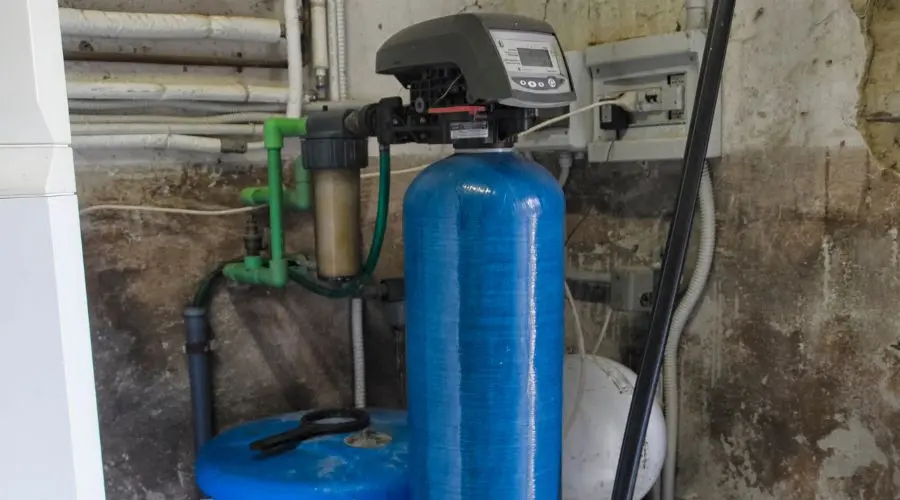
why soften hard water with a water softener?

Why Soften Hard Water With a Water Softener?

Benefits of Installing a Water Softener

If homeowners are tired of hard water wreaking havoc on their plumbing and appliances, and other household issues from hard water, an effective solution is a water softener installation. This blog post will discuss some significant advantages of installing a water softener. 

Protection for the Plumbing and Appliances 

Installing a whole-house water softener protects a home's plumbing system and water-using appliances against the damaging effects of hard water. Mineral deposits from hard water gradually accumulate inside pipes, which can lead to clogs, reduced water pressure, and a shorter lifespan. However, a water softening system removes minerals like calcium and magnesium from the water, reducing buildup and benefiting the plumbing, such as fewer problems like clogs and water pressure issues, and helping the plumbing’s longevity. 

The impact of hard water on household appliances can be equally devastating to their lifespan and budgets. Appliances running with hard water operate less efficiently due to buildup and need replacing sooner than those operating with softened water. Think about the water heater operating with excessive scale buildup. It forces the unit to work harder, consuming more energy, which raises operating costs and shortens its functional lifespan. Water-using appliances like dishwashers and washing machines can also operate more efficiently and last longer with softened water.

More Effective Cleaning

washer Installing a water softener also improves cleaning effectiveness throughout a home by removing hard water minerals that interfere with soap and detergent performance. When water is softened, dishes emerge from the dishwasher sparkling clean without those frustrating water spots or cloudy residue that hard water leaves behind. 

Kitchen and bathroom fixtures can also stay cleaner longer and require less intense cleaning without stubborn limescale and soap scum from hard water, requiring less scrubbing and fewer harsh chemical cleaners. The reduction in limescale and soap scum buildup throughout the home translates to less time, effort, and money spent cleaning.

Laundry that is washed in softened water also stays noticeably softer, brighter, and lasts longer because soft water allows detergent to work more effectively and clean and rinse better. The minerals in hard water can cause clothes to feel rougher against the skin, wear out, and fade more quickly. 

Healthier Skin and Hair

dry hairInstalling a water softener also provides remarkable benefits for skin and hair health by removing harsh minerals that cause dryness and irritation. Hard water contains minerals that interact with soaps and shampoos, creating a scaly residue that sticks to skin and hair follicles. This residue blocks moisture from penetrating properly, which can lead to dry, itchy, and irritated skin and dry, dull, and more frizzy hair.

When showering, bathing, and washing hands in softened water, skin retains natural oils that hard water typically strips away. Softened water allows cleansing products to lather fully and rinse completely, preventing soap scum buildup on the scalp and skin surface. It helps maintain the skin's protective barrier function and can significantly improve skin hydration, hair hydration, and texture. Chronic skin conditions like eczema and psoriasis can also show improvement after switching to soft water. 

About Scott Plumbing

Scott Plumbing is a local, family-owned and operated company serving the Huntsville community since 2014. They provide straightforward pricing, on-time arrival, and a satisfaction guarantee. Call them for water filtration system installation in Huntsville, AL

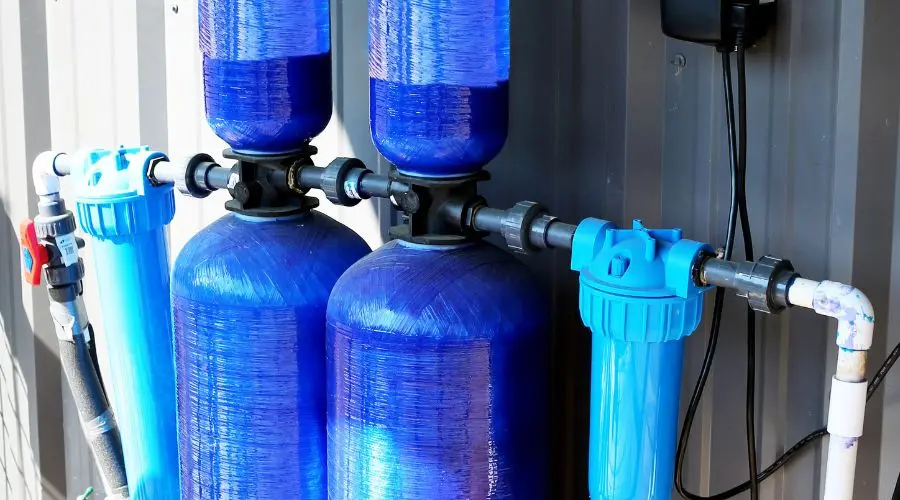
Blue water filtration tanks with piping, showcasing a modern plumbing setup from Scott Plumbing.

Why Get a Water Filtration System Installed?

The Importance of Installing a Whole House Water Filter

Installing a water filtration system is a smart, effective way to get clean, refreshing water straight from the tap. Many families worry about unsafe tap water and the high costs of bottled water. So, by installing a water filtration system, they can enjoy safe, pure drinking water while saving money. This post will discuss water filtration system installation, signs it’s needed, and its benefits. 

What Do Water Filtration Systems Do?

Water filtration systems remove contaminants and impurities from the home's water supply, delivering cleaner, safer water for the household. These purification devices often use specialized media to trap unwanted particles, chemicals, and microorganisms lurking in tap water. The filtration process happens as water flows through the system, and the type of water filter that is installed determines what specifically gets removed from the water.

Activated carbon filters use a bed of activated carbon to trap contaminants like chlorine, volatile organic compounds (VOCs), and more. Reverse osmosis filters use a semipermeable membrane to remove contaminants like chemicals, microorganisms, and heavy metals, can decrease water hardness, and are able to remove most contaminants. A household’s specific water concerns should guide filtration choices. The right system transforms problematic water into a refreshing, clean resource for the household.

Benefits of Water Filtration Systems

water Installing a whole-house water filtration system transforms a home's water quality by removing contaminants directly at the point of entry. Unlike other purification methods, these comprehensive systems ensure every faucet delivers cleaner, safer water for all household uses. Filtered water tastes and smells better, delivering more enjoyable drinking water for a home. With clean, better-tasting, and safer water, households can also save money by cutting the recurring cost of buying bottled water. 

The filtration process removes many impurities, including harmful chemicals that municipal treatment might miss. This means filtration systems can deliver remarkable health advantages as they can reduce exposure to potentially harmful substances like lead, pesticides, and certain bacteria that might otherwise enter drinking water, reducing the risk of illnesses. 

Signs a Home Needs a Water Filtration System

sinkSuspicious water quality issues often signal the need for a water filtration system installation in a home. If homeowners notice strange tastes, unusual odors, or discoloration in their tap water, these are immediate red flags. Water should be clear and odorless. Unlike water softeners that address water hardness, filtration systems primarily target contaminants like chlorine, lead, pesticides, and more that compromise water purity and safety.

Recurring gastrointestinal discomfort or health issues after consuming tap water also deserve special attention, as it may indicate water quality issues. Or, if homeowners are concerned about water quality and want peace of mind that the water is safe and clean, a whole-house water filter is beneficial. A comprehensive water filtration system addresses these concerns by removing harmful contaminants to benefit the health of those in the household.

About Scott Plumbing

Scott Plumbing is a local family-owned and operated company serving the Huntsville community. They provide honest price estimates, same-day service, and on-time arrival. Call them for water filtration system installation in Huntsville, AL