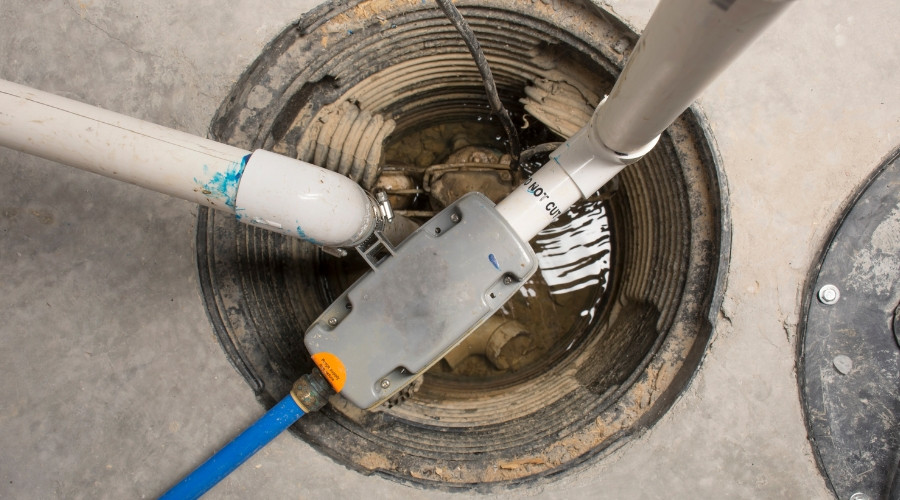
Holiday Plumbing Prep: Maintenance Tips to Prevent Plumbing Disasters

Why Is Maintaining the Plumbing Important?

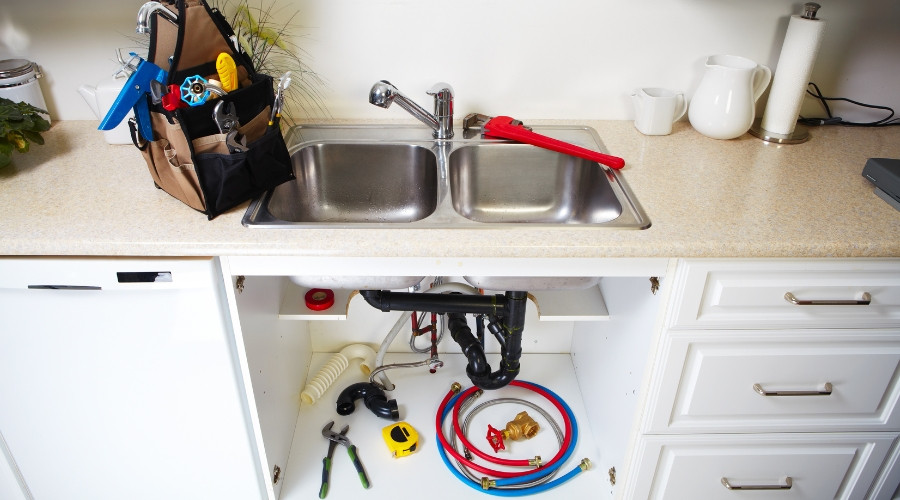
During the holidays, kitchens, bathrooms, and water heaters all work overtime. Extra cooking, cleaning, and guests can strain plumbing systems and turn small issues into disruptive emergencies. With proactive care, most problems can be avoided during the holiday season. This post explains why maintaining the plumbing is important, outlining the benefits of routine plumbing maintenance, the value of consistent water heater maintenance, and simple everyday habits that help prevent problems.

Benefits of Plumbing Maintenance

Regular plumbing maintenance acts as a preventive shield for pipes, fixtures, and appliances. During scheduled service, professionals can spot issues early—a minor leak under a sink, corrosion on exposed piping, slow drains, or a weak shutoff valve—before those issues escalate into a burst pipe, flooding, or structural damage. Catching problems early typically keeps repair costs lower and reduces the chances of an untimely emergency call during a busy holiday gathering.

Ongoing plumbing maintenance also supports longer system life. When water pressure is checked, valves are exercised, and drains are attended to, plumbing components experience less stress and wear. Small adjustments and targeted repairs help extend the lifespan of supply lines, fixtures, and main piping, delaying the need for major replacement projects.

Water efficiency is another important advantage. Even a slow, hidden leak can waste large amounts of water over time. Maintenance visits commonly include inspecting connections, toilets, and lines for moisture or staining that signal a leak. Prompt repair reduces waste and can help lower water bills, while also protecting building materials from long-term damage caused by constant dampness.

Benefits of Water Heater Maintenance

water heater The water heater carries a heavy load during the holiday season, supplying hot water for showers, dishwashing, and laundry. Without routine water heater maintenance, sediment and mineral buildup inside the tank or on heating elements can force the unit to work harder to achieve the same temperature. This reduces efficiency and increases operating costs.

Regular water heater maintenance often includes flushing the tank, inspecting the anode rod, checking temperature and pressure relief valves, and confirming safe burner or element performance. These steps help prevent sudden failures, such as tank leaks that can cause extensive flooding, or burner issues that lead to inconsistent water temperatures.

By identifying unusual noises, fluctuating temperatures, or small leaks around the base of the unit, technicians can recommend timely repairs that minimize the risk of expensive breakdowns. A well-maintained water heater generally runs more efficiently, lasts longer, and is better prepared to handle the increased demand that comes with holiday guests.

More Tips to Maintain the Plumbing

clog Beyond professional service, everyday practices inside the home play a major role in preventing plumbing problems. One of the most important goals is avoiding a sewer line clog. A clogged sewer line can cause wastewater to reverse direction, resulting in a backup into tubs, toilets, or floor drains. In severe cases, pressure or longstanding obstructions may contribute to leaks or even a burst pipe in vulnerable sections of the system.

Simple changes in kitchen and bathroom habits help lower this risk. Grease, cooking oils, coffee grounds, and large amounts of food scraps belong in the trash or compost rather than the sink. In bathrooms, only human waste and toilet paper should be flushed; wipes, cotton products, floss, and hygiene items are best placed in a wastebasket. These steps reduce the amount of debris entering the main line and decrease the likelihood of a sewer line clog that requires urgent drain cleaning.

Awareness of early warning signs is equally important. Slow drainage across multiple fixtures, gurgling sounds from toilets or drains, and persistent foul odors from drains often indicate developing sewer line obstructions. Discolored spots on ceilings or walls, unexplained dampness near fixtures, high water bills, or musty smells can signal a hidden leak that deserves prompt inspection. Addressing those clues quickly—through professional drain cleaning or targeted repairs—helps prevent major backups, flooding, and structural damage.

With consistent plumbing maintenance, diligent water heater maintenance, and smart day-to-day habits, households can move through the holiday season with fewer worries about unexpected plumbing disasters.

About Scott Plumbing

Scott Plumbing is an award-winning plumbing company in Huntsville with an A+rating from the Better Business Bureau. They provide a no-mess promise, and their trusted technicians are always on time. Call them today for water heater and plumbing services in Huntsville, AL.

Distribution Links +

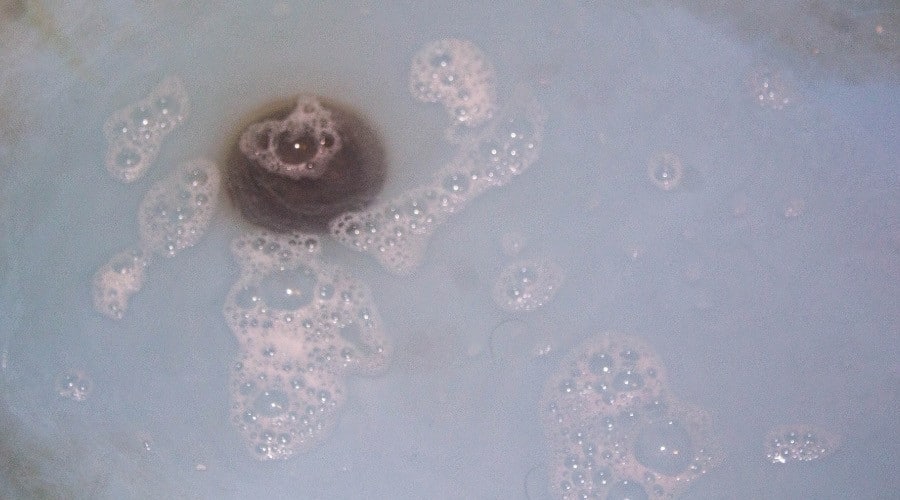
Bubbling water in a sink with a visible drain, illustrating potential signs of a sewer line clog as discussed in plumbing maintenance and drain cleaning guidance.

Avoid Costly Repairs: Know Sewer Line Clog Signs

How to Identify a Sewer Line Clog and the Need for Drain Cleaning

Early signs that the sewer line is clogged—such as strange gurgles, persistent odors, or multiple slow-draining fixtures—often precede a costly sewage overflow. Recognizing these warnings quickly helps prevent a messy backup and structural damage. This guide outlines the most common red flags of a clogged sewer line, how to distinguish main-line issues from single-fixture problems, and when professional drain cleaning methods, such as a drain snake or hydro jetting, are required.

Gurgling Noises or a Bad Smell

bad smell Gurgling noises coming from sinks, tubs, or toilets typically indicate air trapped behind a developing obstruction in the sewer line. As wastewater encounters resistance from a sewer line clog, displaced air pushes back through fixture traps, creating the familiar “glugging” sound. The louder and more frequent the noise, the more likely it is that the flow is restricted somewhere along the main path.

Odors offer another strong clue. When a blockage disrupts normal venting, sewer gases can migrate through drains rather than escape up the stack. A sulfur‑like or sewage smell appearing at multiple fixtures is a hallmark symptom of a clogged sewer line rather than a localized issue. Because these conditions often worsen over time, prompt evaluation is essential. A professional inspection can locate the obstruction with a camera and determine the best clearing method—ranging from a motorized drain snake for compacted debris to hydro jetting for thick layers of grease or scale. If damage such as cracks, offsets, or bellied sections is discovered, targeted sewer line repair may be necessary to prevent recurrence.

Slow Draining

Slow draining across several fixtures at once points strongly to a sewer line problem rather than a single branch clog. Early on, standing water may linger in a shower or tub, or sinks may drain with a delayed “burp.” As the partial obstruction grows, the slowdown becomes more widespread and persistent. The pattern matters: one sluggish fixture typically suggests a nearby blockage; multiple slow drains—especially on different floors—signal a deeper restriction within the main.

Confirming a sewer line clog usually begins with diagnostics. A camera survey can identify whether the issue stems from root intrusion, heavy grease buildup, accumulated sediment, or a foreign object lodged downstream. Clearing methods are chosen based on what the camera reveals. A heavy‑duty drain snake can break through compacted masses or light root growth, while hydro jetting scours pipe walls to restore internal diameter for long‑term flow. When slow draining persists due to structural defects, corrective work and, if needed, sewer line repair provide a durable solution that reduces the likelihood of repeat clogs and protects finished spaces from water damage.

Backups Throughout Your Home

clog Simultaneous backups in several fixtures are among the most definitive signs of a sewer line clog. When the main pipe cannot convey wastewater to the municipal connection or septic tank, flow reverses into the lowest drains—often a basement floor drain, first‑floor shower, or utility sink. Cross‑fixture reactions provide additional confirmation: a shower filling when a toilet is flushed, a tub backing up during a laundry cycle, or gurgling in one room when water is used in another. These patterns indicate a centralized obstruction within the main and not an isolated trap.

DIY measures are rarely effective for deep blockages and can sometimes damage piping. Professional drain cleaning pairs video diagnostics with the right tool for the job: a motorized drain snake to penetrate compact debris or limited roots, and hydro jetting to remove heavier deposits and restore interior pipe capacity. After clearing, a follow‑up camera inspection verifies success and identifies any conditions that may require further attention—such as cracked segments, severe joint misalignment, or ongoing root infiltration that could call for localized repairs. Addressing widespread backups promptly helps prevent raw sewage from entering living spaces and limits the scope of restoration.

A proactive strategy—listening for gurgling, monitoring odors, tracking slow drainage patterns, and responding quickly to backups—offers the best defense against a major sewer event. With accurate diagnosis, appropriate drain cleaning, and corrective work where needed, long‑term reliability can be restored to the sewer line.

About Scott Plumbing

Scott Plumbing is a top-rated plumbing company that provides on-time service to Huntsville and its surrounding communities. They offer straightforward pricing and same-day service, so that customer satisfaction is guaranteed. Call them today to schedule sewer line repair in Huntsville, AL.

Distribution Links +

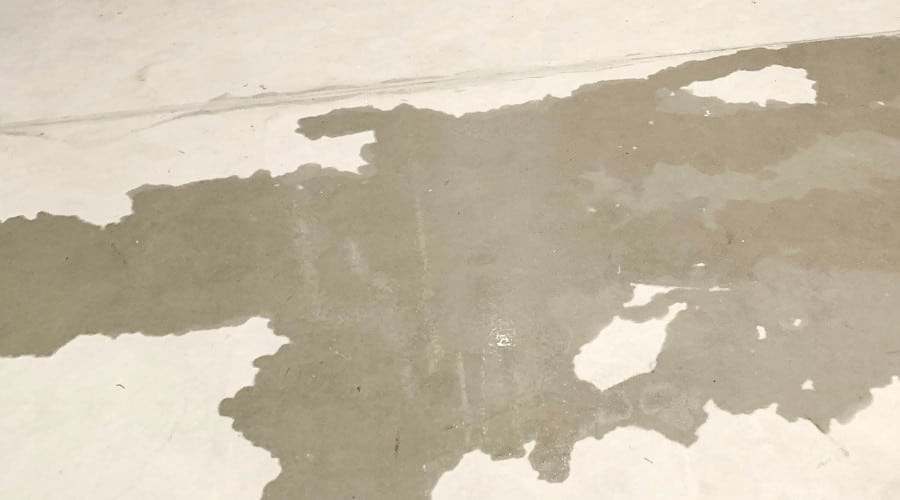
Water pooling on concrete floor indicating potential slab leak issue, relevant to plumbing repair and maintenance services.

A Simple Guide to Slab Leaks

Slab Leak Basics Explained

Concerned about slab leaks? These hidden plumbing failures can trigger serious foundation issues, extensive water damage, and a suddenly high water bill if left unchecked. No need to panic—clear information is the best defense. This guide explains early warning signs and the next steps that help protect a property and budget. Explore what matters most to take control of the situation with timely slab leak detection and slab leak repair.

What Are Slab Leaks?

A slab leak occurs when water or sewer lines beneath a home’s concrete foundation crack, corrode, or separate. Because these pipe failures are concealed, damage can progress quietly for weeks or months. Unlike visible leaks under sinks or behind walls, foundation-related problems often remain hidden while gradually undermining structural components.

The location beneath the slab makes issues particularly disruptive. Water from a slab leak doesn’t simply pool where it’s easy to spot—it saturates the slab and migrates upward through flooring materials. Unexplained damp areas on carpet or hardwood are common clues. Persistent moisture can warp flooring, encourage mold, and compromise structural stability over time, increasing the risk of costly water damage and a rising water bill.

Since these are underground pipe breaks, standard DIY approaches cannot reliably pinpoint the source. Professional slab leak detection methods are typically required to locate the leak accurately and recommend effective slab leak repair options.

Signs of a Slab Leak

crackCatching a slab leak early can help prevent significant foundation repairs and control utility costs. Several subtle indicators often appear before a minor leak becomes a major concern.

Changes around the foundation are some of the most reliable signs. Dark, damp patches on exposed slab areas suggest seepage from below, while a musty odor indicates moisture collecting in enclosed spaces. Cracks in the foundation, floors, or interior walls can develop as saturated soil shifts and weakens support.

Flooring can reveal additional warning signals of underground pipe leaks. Warm spots underfoot often align with leaking hot-water lines beneath the slab. Damp carpeting, cupped or discolored hardwood, and faded sections of flooring point to moisture intrusion. Beyond these visuals, common leak indicators apply as well: a sudden spike in the water bill or a consistently high water bill without a known cause frequently signals the need for professional slab leak detection and prompt slab leak repair to prevent escalating water damage.

Common Causes of a Slab Leak

pipes Slab leaks typically develop when buried pipes begin to fail due to material wear, installation issues, or environmental stress. Pipe corrosion is a frequent contributor, especially where metals break down after extended exposure to water chemistry and soil conditions. Foundation settling can compound this effect by stressing already vulnerable lines.

Shifting soil conditions also play a major role. Expansive or unstable soils can expand, contract, or settle with weather changes, bending or cracking plumbing lines until leaks form. In many areas, these cycles occur seasonally and can affect multiple points beneath a slab.

Excessive water pressure stresses joints and fittings, accelerating failure at weak spots. Poor installation practices—such as inadequate support, improper bedding, or sharp contact with concrete—further raise the risk of premature leaks. Even minor ground movement can translate into significant pipe damage when these risk factors are present, making timely slab leak detection and corrective slab leak repair essential to protect the structure and manage the water bill.

About Scott Plumbing

Scott Plumbing is a top-rated, family-owned and operated plumbing company serving the communities of Huntsville and the surrounding areas. They provide straightforward pricing for their on-time, award-winning service from trusted technicians. Call them today for Slab Leak Repair in Huntsville, AL.

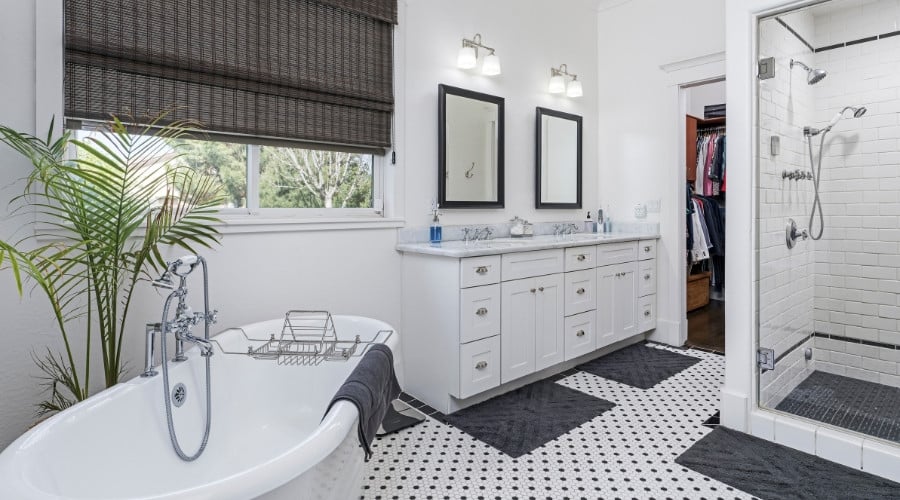
Luxurious bathroom featuring a freestanding bathtub, modern double vanity with mirrors, and a glass-enclosed shower, complemented by stylish decor and natural light.

Elevate a Bathroom Remodel with These Ideas

Upgrade Bathrooms With a Bathroom Renovation

A well-executed bathroom renovation can turn an outdated space into a luxurious retreat, adding significant value to the home. Here are some key areas to focus on when planning a bathroom remodel.

Replace the Bathroom Vanity and Sink

The bathroom vanity is often the focal point of the room. Replacing it with a modern design can elevate the entire ambiance, offering more storage space while adding elegance. Choosing materials and finishes that complement the bathroom's style ensures harmony in design.

Installing a double vanity with two bathroom sinks and faucets is an excellent upgrade for shared spaces. This setup provides individual space for couples or families, making morning routines more efficient and organized.

Moreover, new bathroom faucet installations can serve as a style statement and add to the functionality. Opt for faucets that match the overall design scheme and feature water-saving elements.

Upgrading the vanity and sinks injects new life and efficiency into the bathroom space, suggesting a well-designed remodel.

Upgrade the Shower

shower Investing in these enhancements during a bathroom renovation ensures a more enjoyable and practical space for daily use.

Selecting the right showerhead can transform the shower experience. Low-flow showerheads conserve water and help lower utility bills. A rain showerhead creates a soothing, full-body experience with its wider water coverage. Handheld showerheads allow for flexibility and ease of use, catering to varied needs, from personal cleansing to cleaning the shower space.

Replacing shower faucet and handles to match the new showerhead enhances aesthetic appeal and provides a finish that ties the entire look together. Moreover, a built-in shower bench improves accessibility and offers a convenient spot for relaxation, adding a touch of spa-like luxury to any shower.

Install a Bathtub

bathtubExploring these bathtub options as part of a bathroom remodel brings not only increased functionality but also a sense of tranquility and luxury.

For example, freestanding tubs are eye-catching and perfect for larger bathrooms. Requiring more space, they create a luxurious and open look, ideal for a feature bathroom in any renovation plan.

For small bathrooms, alcove bathtubs offer a practical solution for combining a bath and shower in one space-efficient area. Their three-wall design maximizes room use without sacrificing bathing comfort.

Another example is soaking bathtubs that have greater depth than standard tubs, providing an immersive bathing experience. They are a great choice for those prioritizing relaxation in their bathroom remodel.

About Scott Plumbing

Scott Plumbing is a local family-owned and operated business with background-checked and drug-tested technicians. They are A+ rated and accredited by the Better Business Bureau. Call now for bathroom remodeling services in Huntsville, AL.

Distribution Links +

Water heater installation with plumbing connections and insulation in a basement setting, relevant to gas and electric water heater comparison.

Choosing Between Electric or Gas Water Heaters

Pros and Cons of Different Water Heaters

In the realm of water heaters, one size does not fit all. Homeowners must assess their specific needs, including budget flexibility, safety concerns, and local climate impacts, such as potential power outages. The following sections outline the detailed pros and cons of both gas and electric water heaters.

Gas Water Heater

water heater Gas water heaters have traditionally been the preferred choice among homeowners. Here's a closer look at why this type may be the right choice for certain water heating needs.

Pros:

  • Lower Operating Costs: Generally, gas water heaters are less expensive to operate compared to electric models. This can be especially advantageous in larger households with higher water consumption.
  • Fast Water Heating: Gas water heaters heat water more rapidly than electric versions, providing nearly instant hot water when needed.

Cons:

  • Potential Safety Risks: Gas appliances come with inherent risks of gas leaks. Proper installation and regular maintenance are imperative for safety.
  • Requirement for Venting and Gas Hookups: Proper venting is necessary to expel gases outside the home safely, and a gas hookup is required. This may complicate installation if the home is not already equipped.

For those evaluating their options, a gas water heater might be appealing if lower long-term operational costs and quicker heating times are crucial considerations. However, safety and installation complexities must be taken into account.

Electric Water Heater

water heater Electric water heaters have gained popularity with advances in technology and safety features, presenting a different set of advantages and constraints.

Pros:

  • Lower Installation Costs: Electric water heaters generally have a lower initial installation cost, making them a more budget-friendly option.
  • Increased Safety: Unlike gas water heaters, electric models eliminate the risk of gas leaks, making them a safer alternative for households concerned about gas-related hazards.

Cons:

  • Higher Operating Costs: The cost of electricity can lead to higher operational expenses over time when compared to gas options.
  • Dependence on Electricity: During a power outage, an electric water heater will cease to function, potentially leaving the home without hot water when needed most.

Electric water heaters are often chosen for their safety and lower initial costs, yet their higher operating expenses and reliance on a constant electricity supply are important factors to consider.

Factors to Consider Before Installation

Deciding between a gas or electric water heater extends beyond simply evaluating individual pros and cons. The following factors should guide homeowners in making the appropriate choice for water heater installation or replacement.

  • Home Susceptibility to Power Outages: In areas prone to frequent power outages, a gas water heater may offer reliable service during such events, operating independently of the home's electricity.
  • Availability of Gas Hookups: The presence or absence of gas lines within the home will greatly influence the decision. Homes lacking existing gas lines may find electric options more feasible given the expense and complexity of installing new gas connections.
  • Safety Concerns Regarding Gas Leaks: For those prioritizing safety, particularly concerning gas leaks, an electric water heater may better meet their needs, offering peace of mind regarding gas-related safety concerns.

Evaluating a home's specific needs and circumstances is essential in choosing the right water heater. Whether prioritizing operational efficiency, safety, or cost, both gas and electric water heaters provide viable solutions tailored to various living situations.

About Scott Plumbing

Scott Plumbing is a local family-owned and operated business that’s A+ rated and accredited by the Better Business Bureau. Their plumbing technicians undergo background checks and drug testing for safety and peace of mind. Call them for water heater services in Huntsville, AL.