

Plumbing Issues to Watch Out for in Older Houses
Older houses can be more prone to experiencing plumbing problems due to their aging plumbing systems and materials. So, when living in an old home with old plumbing, homeowners should watch out for plumbing issues and call a plumber when signs of problems are noticed. This post will share some common plumbing issues in older homes and how they can be identified.
Corroded Pipes
 Corroded pipes plague countless older homes and can create expensive headaches for unsuspecting homeowners when they leak, causing water damage. Many pipe materials, including galvanized steel, cast iron, and copper pipes, gradually deteriorate over decades, developing rust, mineral buildup, and structural weakness, which can lead to leaks and pipe bursts.
So, recognizing the warning signs of pipe corrosion and calling a plumber to replace the pipes can help prevent issues like leaks and burst pipes and the additional consequences they can cause, like water damage and higher water bills, from occurring. Discolored water flowing from faucets and fixtures, reduced water pressure, leaks, and a strange metallic taste or smell to the water can signal corrosion. Rust and corrosion may also be visible on exposed pipes.
Low Water Pressure
 Low water pressure can be frustrating, turning simple tasks like showering or washing dishes into tedious ordeals. Older homes with aging plumbing can experience poor water pressure due to various underlying causes, including outdated plumbing fixtures, clogs, corrosion, and water leaks.
When homeowners notice reduced water pressure in the shower or from faucets, it’s important to call a plumber so they can determine the underlying cause of the low water pressure and the best solution. They will inspect the condition of the pipes to determine whether a water leak is due to corrosion or not, which will determine whether water leak repair or pipe replacement is needed to replace old and corroded pipes. If water pressure issues are from old fixtures, they can be replaced. The best solution to restore water pressure will depend on the cause.
Sewer Line Problems
Old sewer lines are more likely to experience problems, including clogs, leaks, corrosion, or damage. Some of these issues can also lead to other problems if not addressed promptly. For example, issues such as sewer line clogs and corrosion can lead to leaks and damage. Additionally, external factors can also lead to sewer line problems, including tree roots that infiltrate joints and cracks in the sewer line in search of moisture and nutrients, resulting in a clogged sewer line and further damage. Shifting soil can also cause sewer line leaks and damage.
Homeowners should watch for warning signs of sewer line problems and call a plumber to determine the issue and the best solution to fix it. Slow draining, foul sewage odors, backups, unexplained wet and soggy spots in the yard, and unusually fast-growing, lush patches in the yard can all signal issues with the sewer line. There are several solutions to sewer line problems depending on the issue it’s facing. Sewer line repair or replacement may be necessary, or if a sewer line is clogged, drain cleaning or hydro jetting may be required.
About Scott Plumbing
Scott Plumbing is a local, family-owned and operated company serving the Huntsville community. They offer same-day service, straightforward pricing, and a no-mess promise. Call them for plumbing services in Huntsville, AL.
)
Distribution Links +
- https://smb.cordeledispatch.com
- https://smb.middlesboronews.com
- https://smb.roanoke-chowannewsherald.com
- https://smb.valleytimes-news.com
- https://pr.washingtoncitypaper.com
- https://smb.prentissheadlight.com
- https://pr.timesofsandiego.com
- https://pr.chestercounty.com
- https://pr.wncbusiness.com
- https://pr.ashlandtownnews.com
- https://pr.millismedwaynews.com
- https://pr.norwoodtownnews.com
- https://pr.naticktownnews.com
- https://pr.norfolkwrenthamnews.com
- https://pr.omahamagazine.com
- https://pr.greenvillebusinessmag.com
- https://pr.columbiabusinessmonthly.com
- https://pr.herrimanjournal.com
- https://pr.holladayjournal.com
- https://pr.wvcjournal.com
- https://pr.mysugarhousejournal.com
- https://pr.sandyjournal.com
- https://pr.draperjournal.com
- https://pr.cottonwoodheightsjournal.com
- https://pr.valleyjournals.com
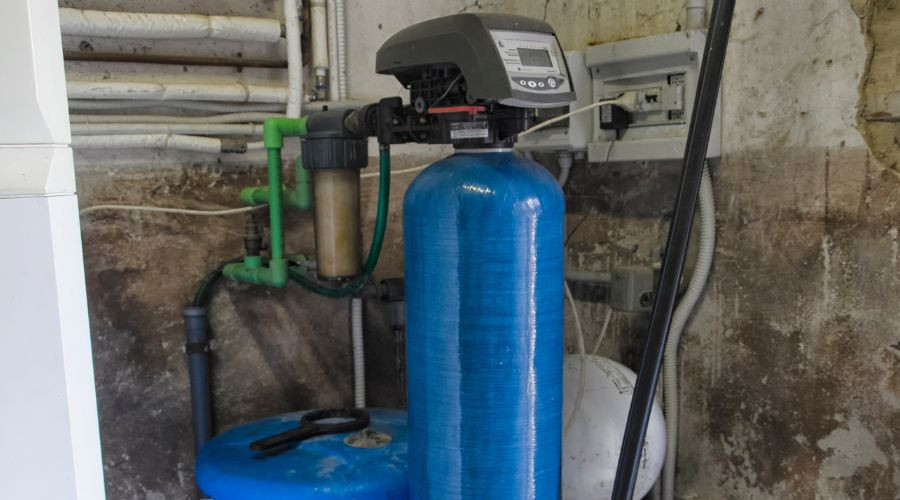
 Installing a water softener also improves cleaning effectiveness throughout a home by removing hard water minerals that interfere with soap and detergent performance. When water is softened, dishes emerge from the dishwasher sparkling clean without those frustrating water spots or cloudy residue that hard water leaves behind.
  Installing a water softener also provides
 )

 Sump pumps serve as protection against basement flooding, water damage, and other problems like mold growth that can occur due to excessive moisture. These specialized drainage systems operate automatically to remove excess groundwater before it can damage a home’s foundation or basement. The pump automatically activates when water reaches a predetermined level in the sump pump basin, so the house is protected even when nobody is home..
 Ensuring a sump pump is working correctly routinely, including before spring storms and rains arrive, can prevent costly basement flooding disasters. This is done through regular testing and sump pump maintenance, which are crucial for reliability. To test the sump pump, start by pouring a bucket of water into the sump pit, enough for the sump pump to activate automatically. Once on, the sump pump system should remove the water quickly and effectively. This simple test can reveal any immediate issues and the need to call for sump pump repair.
)

 Installing a whole-house water filtration system transforms a home's water quality by removing contaminants directly at the point of entry. Unlike other purification methods, these comprehensive systems ensure every faucet delivers cleaner, safer water for all household uses. Filtered water tastes and smells better, delivering more enjoyable drinking water for a home. With clean, better-tasting, and safer water, households can also save money by cutting the recurring cost of buying bottled water.
  Suspicious water quality issues often signal the need for a water filtration system installation in a home. If homeowners notice strange tastes, unusual odors, or discoloration in their tap water, these are immediate red flags. Water should be clear and odorless. Unlike water softeners that address water hardness, filtration systems primarily target contaminants like chlorine, lead, pesticides, and more that compromise water purity and safety.
)
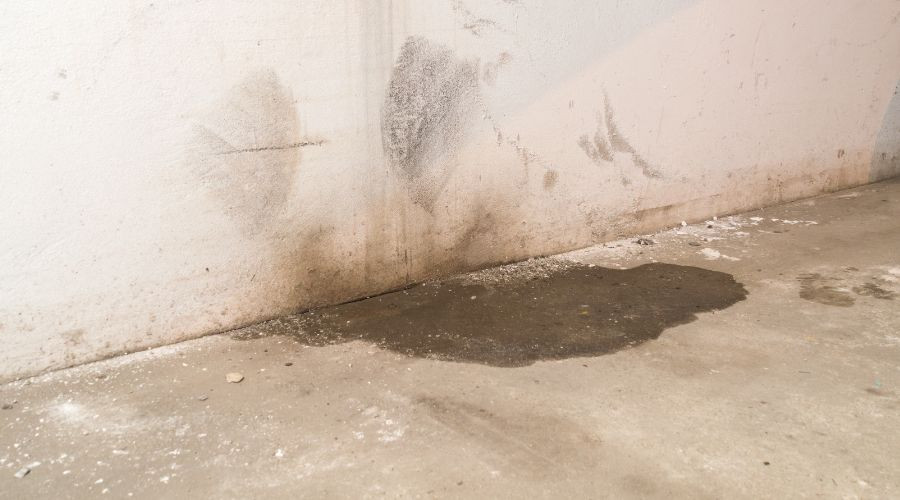
 A slab leak refers to a water line break or leak that occurs in the pipes running beneath a home's concrete foundation. These pipes can develop leaks due to various factors, creating a serious plumbing issue that requires immediate attention. Since these pipes are beneath the concrete foundation, detecting and repairing slab leaks can be particularly challenging and requires specialized equipment.
 Professional plumbers utilize advanced technology to
 )