How to Quickly Spot Water Leaks

Signs to Call for Professional Water Leak Detection and Repair

If homeowners notice warning signs of water leaks, they should immediately call for water leak detection and repair, as leaks pose a considerable risk of property damage and can drastically increase water bills. This guide outlines several common signs and straightforward methods to help identify a water leak.

High Water Bills

An unexpectedly high water bill is an indication of a leak. While increased water consumption from seasonal activities or additional household guests can explain higher water costs, an unexplained surge in water expenses is a serious warning sign of a leak, signaling the need for professional water leak detection and repair.

Once a professional plumber performs the necessary water leak repair, it will lead to lower future water bills and substantial cost savings for the property owner. Ignoring evidence of a leak not only wastes money on excessive water consumption but also risks extensive structural and water damage, which are often costly to remediate. 

Other Signs of a Leak

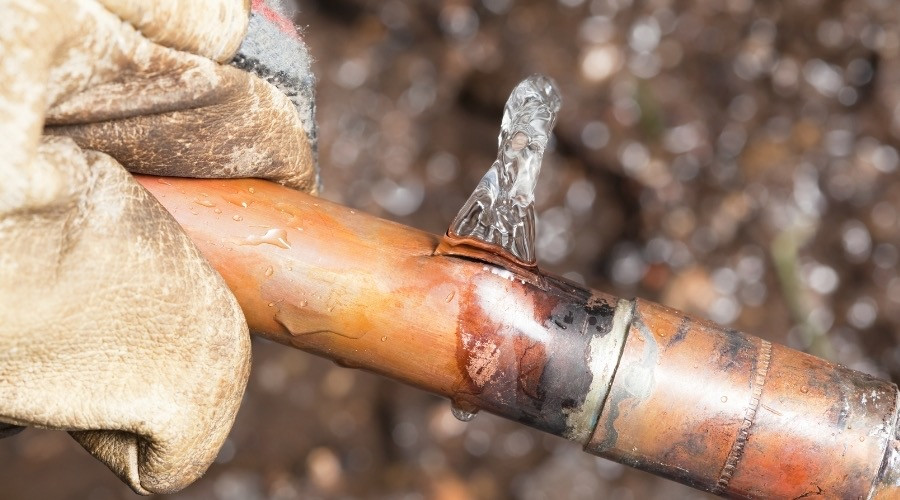
leakAdditional signs that can point to a water leak include a drop in water pressure from fixtures, the sound of water running or dripping when all water-using appliances and fixtures are off, a damp or musty odor, and visual evidence of water exposure, such as water stains and discoloration on walls or ceilings, damaged or warping floors, flaking or bubbling paint or wallpaper, soft areas on walls, ceilings, or floors, and the presence of mold or mildew.

If any signs of a leak are spotted, it is crucial to call a plumber to locate and fix the leak quickly. The longer the water leak is allowed to continue, the more water damage and structural damage can occur, and the more expensive the damage can become to fix.

Use the Water Meter
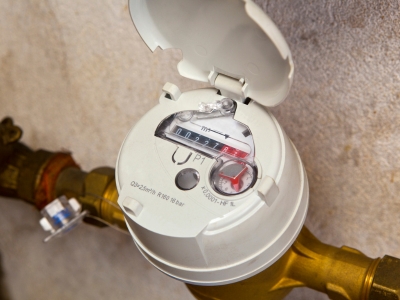
water meterProperty owners can also conduct a simple test for a water leak by monitoring their water meter. Begin by confirming that every water-using fixture and appliance, both inside and outside the home, is completely shut off. Next, locate the water meter and record the exact reading displayed. Avoid using any water for a defined period, typically 1 to 2 hours. If the meter reading has changed during this period of non-use, it confirms a leak.

People can also use another method to identify a leak using their water meters. Many modern water meters include a small leak indicator component, usually shaped like a triangle, gear, or small star. If this leak indicator continues to move and spin even when no water is being used, it can also signal a water leak. Regardless of whether the water meter or warning signs indicate a leak, a professional should be called right away to locate and repair it.

Call Scott Plumbing

Scott Plumbing is a local, family-owned and operated company with award-winning service in the Huntsville, Alabama community. They provide same-day service, straightforward pricing, and on-time arrival. Call them for water leak detection and leak repair services in Huntsville, AL.

The Benefits of Choosing to Install a Tankless Water Heater

Why Get a Tankless Water Heater Installation?

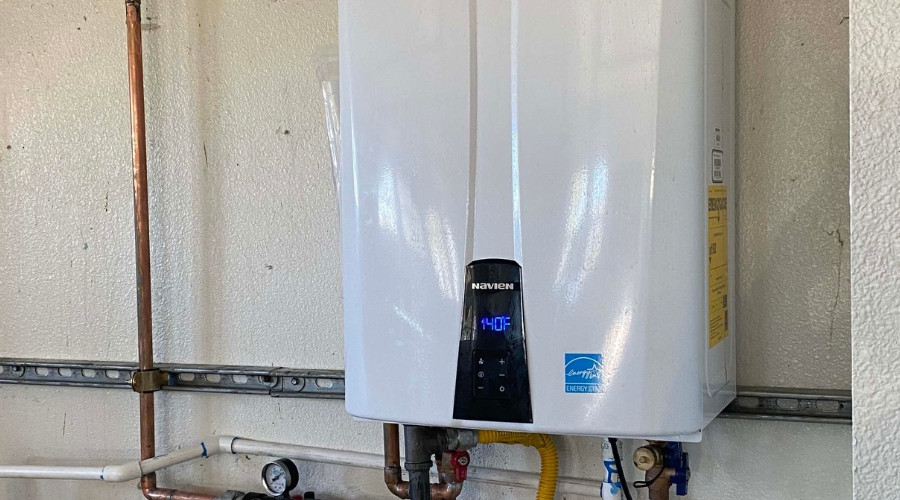
If it’s time for a new water heater installation or replacement, a tankless water heating system is an excellent option to consider. Tankless water heaters provide some substantial benefits compared to conventional storage tank models, ranging from superior energy efficiency to a longer lifespan. This post will explore some significant advantages of a tankless water heater installation.

Energy Efficiency

save moneyTankless water heaters boast better energy efficiency than traditional water heaters that use a large storage tank. A standard storage water heater must constantly keep the water in its tank heated to ensure immediate availability. This process results in standby heat loss even when no hot water is being used, using more energy and leading to higher monthly utility costs.

However, a tankless water heating system activates only when a demand for hot water occurs. By eliminating the continuous energy waste of standby heat loss, tankless units are far more energy efficient. This increased efficiency directly translates into reduced water-heating expenses, generating monthly savings for homeowners.

Endless Hot Water Supply and Space Savings

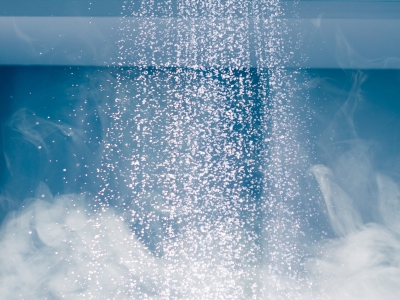
showerOne of the most beneficial features of tankless water heating technology is its ability to provide a continuous flow of hot water. Traditional storage tank water heaters hold a set volume of hot water in their tank. Once this supply is exhausted, people can face the unwelcome reality of cold showers or a lengthy wait while the tank refills and reheats.

Tankless water heaters, on the other hand, heat water passing through the unit. Because they operate without a storage tank and only heat water when it’s needed, they won’t run out of hot water, which provides households with the comfort of knowing that hot water will be available whenever they need it.

Furthermore, the absence of a bulky hot water tank is a major advantage for space utilization. Tankless water heaters are compact, often mounted directly on the wall, occupying considerably less room than the large storage tanks of conventional units. This design allows homeowners to reclaim valuable storage or utility space.

Longer Life Expectancy

Opting for a tankless water heater is also beneficial due to its extended service life. While homeowners can expect a conventional storage water heater to last approximately 10 to 15 years before a water heater replacement is necessary, tankless models can last for more than 20 years with routine water heater maintenance.

This longer life expectancy means a tankless water heater delays the substantial cost and inconvenience of purchasing and installing a replacement unit, further adding to the long-term value and savings achieved by switching to a tankless water heater system.

About Scott Plumbing

Scott Plumbing has been providing reliable plumbing services to the Huntsville community since 2014. They offer same-day service, straightforward pricing, and trusted technicians. Call them for tankless water heater installation in Huntsville, AL

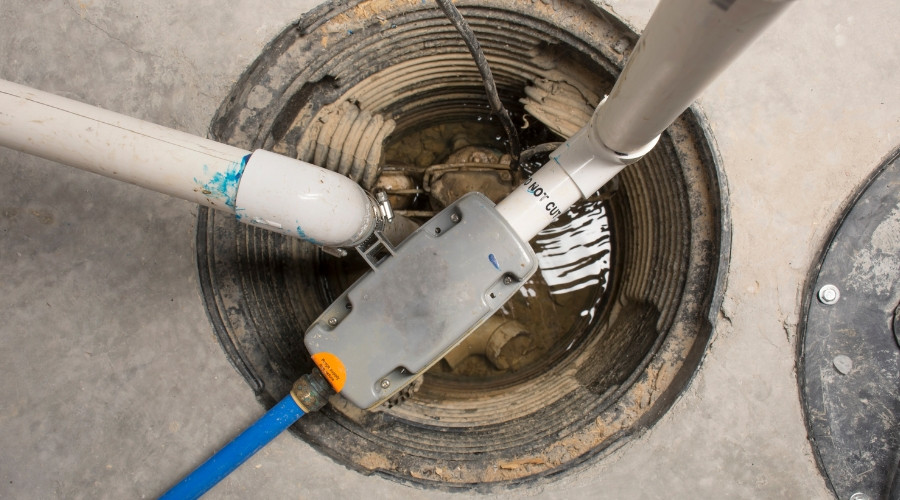
Sump pump installation in a basin with discharge pipes, illustrating plumbing solutions for water control in basements and crawl spaces.

Basement Flood Protection With Modern Sump Pump Systems

What Is a Sump Pump?

Basements and crawl spaces are especially vulnerable when storms roll through, or snow starts to melt, and even a minor plumbing failure can send water straight to the lowest level of a house. A sump pump installation keeps that water under control, preventing it from pooling and causing damage. This post outlines how a sump pump works, the benefits it provides for structures and belongings, the main types of primary pumps, and the role of backup units in comprehensive flood protection.

Benefits of Sump Pumps

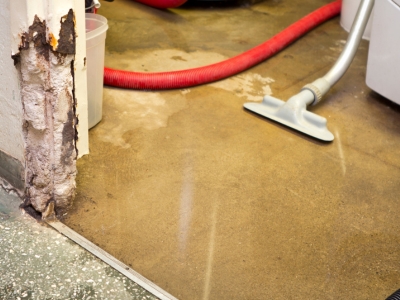
Water-damaged basement corner with exposed wall, wet floor, and a sump pump hose, illustrating the need for sump pump installation to prevent flooding and protect structures.A sump pump sits inside a sump pump basin, usually placed at the lowest point of the foundation. As groundwater or seepage flows into the pit, the water level rises, activating the sump pump float switch. Once the switch reaches a preset height, the pump turns on and pushes water through a discharge line to a safe spot outdoors, then shuts off when the basin empties.

This simple cycle delivers several advantages: flood prevention during heavy rain, reduced pressure around foundation walls, better protection for finished rooms and stored belongings, and a lower risk of persistent moisture that can encourage mold and mildew growth.

Types of Primary Sump Pumps

Submersible sump pump with blue and black casing, power cord, and float switch, illustrating types of primary sump pumps for residential use.During sump pump installation, one important decision involves selecting the style of primary pump. Most residential systems rely on either a submersible or a pedestal sump pump, and each design has distinct pros and cons.

A submersible sump pump operates fully underwater in the basin. This configuration tends to be more powerful, can move higher volumes of water, and generally runs more quietly because the surrounding water and pit absorb sound. On the downside, submersible units usually cost more upfront and may be a bit harder to access when service or replacement becomes necessary.

A pedestal sump pump keeps the motor above the pit, with only the intake pipe sitting in the water. These pumps are typically more affordable and often have a longer lifespan because the motor is not constantly submerged. However, they are less powerful than submersible models and create more noticeable operating noise, which can bother anyone with a finished living space near the basin.

Secondary or Backup Sump Pumps

Even a high‑quality primary pump cannot guarantee protection in every situation. Power failures, mechanical problems, or a jammed float can leave a basement unprotected at the worst possible moment. Adding a secondary or backup sump pump greatly improves reliability when water levels rise quickly.

Backup options range from a second electric pump sharing the sump pump basin to systems devoted exclusively to emergencies. Many setups include a dedicated sump pump battery backup that powers the backup sump pump when the main unit loses electricity. In other homes, a water‑powered sump pump backup can provide protection as long as municipal water service remains available.

About Scott Plumbing

Scott Plumbing is an award-winning, BBB-accredited plumbing company with an A+ rating and a commitment to providing expert service to the communities of Huntsville and the neighboring areas. Their trusted technicians are always on time and provide neat, efficient service. Call them today for sump pump services in Huntsville, AL.

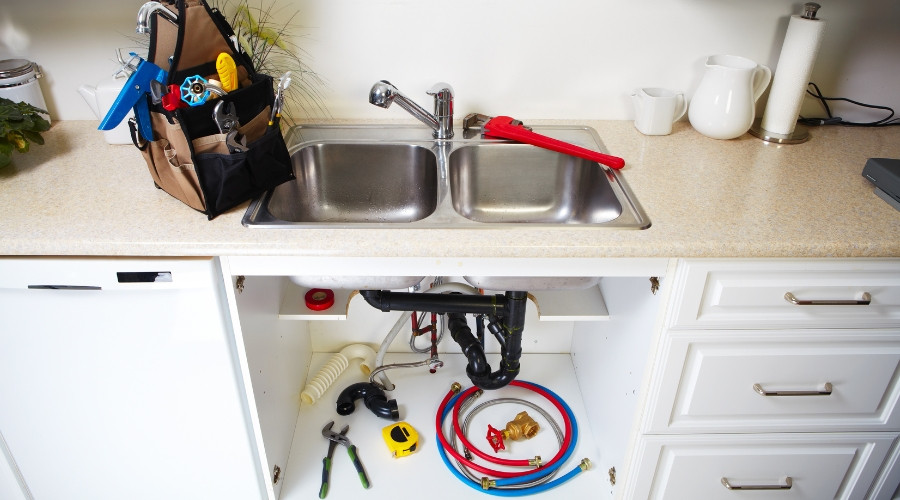
Kitchen sink with plumbing tools, pipes, and a tool bag, illustrating plumbing maintenance and repair essentials for homeowners.

Holiday Plumbing Prep: Maintenance Tips to Prevent Plumbing Disasters

Why Is Maintaining the Plumbing Important?

During the holidays, kitchens, bathrooms, and water heaters all work overtime. Extra cooking, cleaning, and guests can strain plumbing systems and turn small issues into disruptive emergencies. With proactive care, most problems can be avoided during the holiday season. This post explains why maintaining the plumbing is important, outlining the benefits of routine plumbing maintenance, the value of consistent water heater maintenance, and simple everyday habits that help prevent problems.

Benefits of Plumbing Maintenance

Regular plumbing maintenance acts as a preventive shield for pipes, fixtures, and appliances. During scheduled service, professionals can spot issues early—a minor leak under a sink, corrosion on exposed piping, slow drains, or a weak shutoff valve—before those issues escalate into a burst pipe, flooding, or structural damage. Catching problems early typically keeps repair costs lower and reduces the chances of an untimely emergency call during a busy holiday gathering.

Ongoing plumbing maintenance also supports longer system life. When water pressure is checked, valves are exercised, and drains are attended to, plumbing components experience less stress and wear. Small adjustments and targeted repairs help extend the lifespan of supply lines, fixtures, and main piping, delaying the need for major replacement projects.

Water efficiency is another important advantage. Even a slow, hidden leak can waste large amounts of water over time. Maintenance visits commonly include inspecting connections, toilets, and lines for moisture or staining that signal a leak. Prompt repair reduces waste and can help lower water bills, while also protecting building materials from long-term damage caused by constant dampness.

Benefits of Water Heater Maintenance

Water heater in a utility room with maintenance tools, illustrating the importance of regular water heater maintenance for efficiency and longevity.The water heater carries a heavy load during the holiday season, supplying hot water for showers, dishwashing, and laundry. Without routine water heater maintenance, sediment and mineral buildup inside the tank or on heating elements can force the unit to work harder to achieve the same temperature. This reduces efficiency and increases operating costs.

Regular water heater maintenance often includes flushing the tank, inspecting the anode rod, checking temperature and pressure relief valves, and confirming safe burner or element performance. These steps help prevent sudden failures, such as tank leaks that can cause extensive flooding, or burner issues that lead to inconsistent water temperatures.

By identifying unusual noises, fluctuating temperatures, or small leaks around the base of the unit, technicians can recommend timely repairs that minimize the risk of expensive breakdowns. A well-maintained water heater generally runs more efficiently, lasts longer, and is better prepared to handle the increased demand that comes with holiday guests.

More Tips to Maintain the Plumbing

Clogged kitchen sink with standing water, debris, and grease, illustrating the importance of proper waste disposal to prevent plumbing issues.Beyond professional service, everyday practices inside the home play a major role in preventing plumbing problems. One of the most important goals is avoiding a sewer line clog. A clogged sewer line can cause wastewater to reverse direction, resulting in a backup into tubs, toilets, or floor drains. In severe cases, pressure or longstanding obstructions may contribute to leaks or even a burst pipe in vulnerable sections of the system.

Simple changes in kitchen and bathroom habits help lower this risk. Grease, cooking oils, coffee grounds, and large amounts of food scraps belong in the trash or compost rather than the sink. In bathrooms, only human waste and toilet paper should be flushed; wipes, cotton products, floss, and hygiene items are best placed in a wastebasket. These steps reduce the amount of debris entering the main line and decrease the likelihood of a sewer line clog that requires urgent drain cleaning.

Awareness of early warning signs is equally important. Slow drainage across multiple fixtures, gurgling sounds from toilets or drains, and persistent foul odors from drains often indicate developing sewer line obstructions. Discolored spots on ceilings or walls, unexplained dampness near fixtures, high water bills, or musty smells can signal a hidden leak that deserves prompt inspection. Addressing those clues quickly—through professional drain cleaning or targeted repairs—helps prevent major backups, flooding, and structural damage.

With consistent plumbing maintenance, diligent water heater maintenance, and smart day-to-day habits, households can move through the holiday season with fewer worries about unexpected plumbing disasters.

About Scott Plumbing

Scott Plumbing is an award-winning plumbing company in Huntsville with an A+rating from the Better Business Bureau. They provide a no-mess promise, and their trusted technicians are always on time. Call them today for water heater and plumbing services in Huntsville, AL.

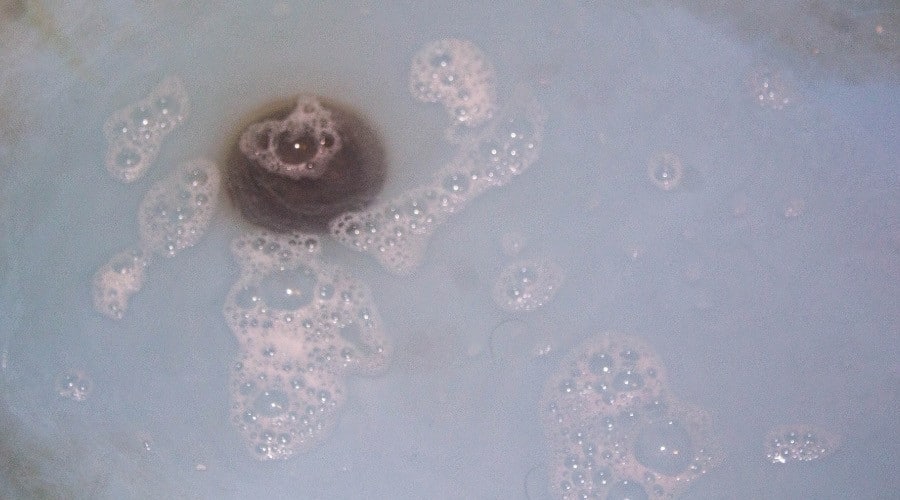
Bubbling water in a sink with a visible drain, illustrating potential signs of a sewer line clog as discussed in plumbing maintenance and drain cleaning guidance.

Avoid Costly Repairs: Know Sewer Line Clog Signs

How to Identify a Sewer Line Clog and the Need for Drain Cleaning

Early signs that the sewer line is clogged—such as strange gurgles, persistent odors, or multiple slow-draining fixtures—often precede a costly sewage overflow. Recognizing these warnings quickly helps prevent a messy backup and structural damage. This guide outlines the most common red flags of a clogged sewer line, how to distinguish main-line issues from single-fixture problems, and when professional drain cleaning methods, such as a drain snake or hydro jetting, are required.

Gurgling Noises or a Bad Smell

Woman holding her nose, reacting to a bad smell, illustrating signs of sewer line issues related to gurgling noises and odors.Gurgling noises coming from sinks, tubs, or toilets typically indicate air trapped behind a developing obstruction in the sewer line. As wastewater encounters resistance from a sewer line clog, displaced air pushes back through fixture traps, creating the familiar “glugging” sound. The louder and more frequent the noise, the more likely it is that the flow is restricted somewhere along the main path.

Odors offer another strong clue. When a blockage disrupts normal venting, sewer gases can migrate through drains rather than escape up the stack. A sulfur‑like or sewage smell appearing at multiple fixtures is a hallmark symptom of a clogged sewer line rather than a localized issue. Because these conditions often worsen over time, prompt evaluation is essential. A professional inspection can locate the obstruction with a camera and determine the best clearing method—ranging from a motorized drain snake for compacted debris to hydro jetting for thick layers of grease or scale. If damage such as cracks, offsets, or bellied sections is discovered, targeted sewer line repair may be necessary to prevent recurrence.

Slow Draining

Slow draining across several fixtures at once points strongly to a sewer line problem rather than a single branch clog. Early on, standing water may linger in a shower or tub, or sinks may drain with a delayed “burp.” As the partial obstruction grows, the slowdown becomes more widespread and persistent. The pattern matters: one sluggish fixture typically suggests a nearby blockage; multiple slow drains—especially on different floors—signal a deeper restriction within the main.

Confirming a sewer line clog usually begins with diagnostics. A camera survey can identify whether the issue stems from root intrusion, heavy grease buildup, accumulated sediment, or a foreign object lodged downstream. Clearing methods are chosen based on what the camera reveals. A heavy‑duty drain snake can break through compacted masses or light root growth, while hydro jetting scours pipe walls to restore internal diameter for long‑term flow. When slow draining persists due to structural defects, corrective work and, if needed, sewer line repair provide a durable solution that reduces the likelihood of repeat clogs and protects finished spaces from water damage.

Backups Throughout Your Home

Clogged kitchen sink with standing water and debris, indicating potential sewer line backup issues related to plumbing problems.Simultaneous backups in several fixtures are among the most definitive signs of a sewer line clog. When the main pipe cannot convey wastewater to the municipal connection or septic tank, flow reverses into the lowest drains—often a basement floor drain, first‑floor shower, or utility sink. Cross‑fixture reactions provide additional confirmation: a shower filling when a toilet is flushed, a tub backing up during a laundry cycle, or gurgling in one room when water is used in another. These patterns indicate a centralized obstruction within the main and not an isolated trap.

DIY measures are rarely effective for deep blockages and can sometimes damage piping. Professional drain cleaning pairs video diagnostics with the right tool for the job: a motorized drain snake to penetrate compact debris or limited roots, and hydro jetting to remove heavier deposits and restore interior pipe capacity. After clearing, a follow‑up camera inspection verifies success and identifies any conditions that may require further attention—such as cracked segments, severe joint misalignment, or ongoing root infiltration that could call for localized repairs. Addressing widespread backups promptly helps prevent raw sewage from entering living spaces and limits the scope of restoration.

A proactive strategy—listening for gurgling, monitoring odors, tracking slow drainage patterns, and responding quickly to backups—offers the best defense against a major sewer event. With accurate diagnosis, appropriate drain cleaning, and corrective work where needed, long‑term reliability can be restored to the sewer line.

About Scott Plumbing

Scott Plumbing is a top-rated plumbing company that provides on-time service to Huntsville and its surrounding communities. They offer straightforward pricing and same-day service, so that customer satisfaction is guaranteed. Call them today to schedule sewer line repair in Huntsville, AL.