

Prepare Sump Pumps for Spring to Protect Homes From Flooding and Water Damage
A sump pump protects homes from flooding and water damage during storms and heavy rains that can flood homes and basements. However, it’s essential that sump pumps are operational to ensure they can remove water and keep homes dry. This post will discuss how sump pumps work and how to help ensure that sump pumps are ready for spring so the home stays safe from unexpected flooding.
How Do Sump Pumps Work?
 Sump pumps serve as protection against basement flooding, water damage, and other problems like mold growth that can occur due to excessive moisture. These specialized drainage systems operate automatically to remove excess groundwater before it can damage a home’s foundation or basement. The pump automatically activates when water reaches a predetermined level in the sump pump basin, so the house is protected even when nobody is home..
When groundwater rises around the foundation, it flows into a specially designed sump pit or basin, which is installed at the lowest point of the home or basement. Inside this pit sits the submersible sump pump or pedestal sump pump equipped with a float switch or pressure sensor. As water accumulates in the pit, the float rises until it triggers the pump motor to turn on. The activated pump creates suction that draws water through an intake valve, then forces it through discharge pipes, leading the water safely away from the home to prevent the cycle of water re-entering the home.
Testing and Maintaining a Sump Pump So It Works Correctly
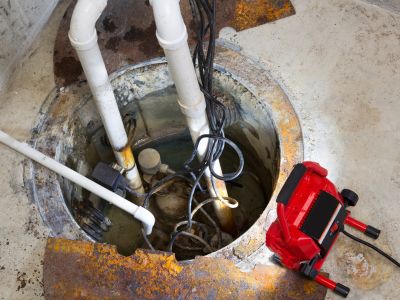 Ensuring a sump pump is working correctly routinely, including before spring storms and rains arrive, can prevent costly basement flooding disasters. This is done through regular testing and sump pump maintenance, which are crucial for reliability. To test the sump pump, start by pouring a bucket of water into the sump pit, enough for the sump pump to activate automatically. Once on, the sump pump system should remove the water quickly and effectively. This simple test can reveal any immediate issues and the need to call for sump pump repair.
However, even with routine testing, professional sump pump maintenance at least once a year is essential to ensure it works correctly. Over time, sump pumps may develop issues. Professional maintenance allows plumbers to inspect and test components to find any issues that homeowners may miss. Identifying potential sump pump failures and performing the necessary repairs before the sump pump is needed can help prevent flooding, expensive water damage, and ruined belongings. They'll also assess whether a sump pump's capacity matches the home's drainage needs.
Why a Backup Sump Pump Is Important for Complete Flood Protection
Relying solely on the primary sump pump to prevent flooding during severe storms and heavy rainfall is a risk. Not only does this leave the home vulnerable if the primary sump pump fails and malfunctions or when overwhelmed with the amount of water, but also if a power outage occurs.
A backup sump pump system provides critical protection when the main pump fails, loses power during outages, or becomes overwhelmed by excessive water. Power failures frequently coincide with severe storms, which may be precisely when the sump pump is needed. So, installing a sump pump backup, like a battery-operated backup sump pump or a water-powered sump pump backup, allows for continued protection during outages or if the main pump experiences problems, such as water entering the basement faster than a single pump can remove it.
About Scott Plumbing
Scott Plumbing is a family-owned and operated company serving the Huntsville community. They provide expert service, on-time arrival, and trusted technicians. Call them for sump pump installation and services in Huntsville, AL.
)
Distribution Links +
- https://smb.vicksburgpost.com
- https://smb.bluegrasslive.com
- https://smb.claiborneprogress.net
- https://smb.clantonadvertiser.com
- https://smb.brewtonstandard.com
- https://smb.demopolistimes.com
- https://smb.elizabethton.com
- https://smb.greenvilleadvocate.com
- https://smb.jessaminejournal.com
- https://smb.kenbridgevictoriadispatch.com
- https://smb.leaderpub.com
- https://smb.luvernejournal.com
- https://smb.selmatimesjournal.com
- https://smb.thesnaponline.com
- https://smb.troymessenger.com
- https://smb.windsorweekly.com
- https://smb.clemmonscourier.net
- https://smb.gatescountyindex.com
- https://smb.harlandaily.com
- https://smb.irontontribune.com
- https://smb.ourdavie.com
- https://smb.state-journal.com
- https://smb.thecharlottegazette.com
- https://smb.thecoastlandtimes.com
- https://smb.theinteriorjournal.com
- https://smb.thetidewaternews.com
- https://smb.tryondailybulletin.com
- https://smb.winchestersun.com
- https://smb.farmvilleherald.com

 Installing a whole-house water filtration system transforms a home's water quality by removing contaminants directly at the point of entry. Unlike other purification methods, these comprehensive systems ensure every faucet delivers cleaner, safer water for all household uses. Filtered water tastes and smells better, delivering more enjoyable drinking water for a home. With clean, better-tasting, and safer water, households can also save money by cutting the recurring cost of buying bottled water.
  Suspicious water quality issues often signal the need for a water filtration system installation in a home. If homeowners notice strange tastes, unusual odors, or discoloration in their tap water, these are immediate red flags. Water should be clear and odorless. Unlike water softeners that address water hardness, filtration systems primarily target contaminants like chlorine, lead, pesticides, and more that compromise water purity and safety.
)
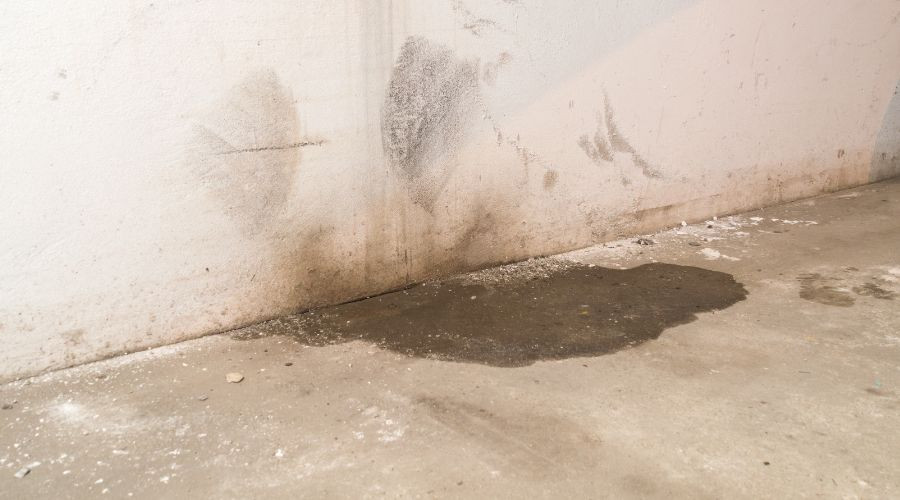
 A slab leak refers to a water line break or leak that occurs in the pipes running beneath a home's concrete foundation. These pipes can develop leaks due to various factors, creating a serious plumbing issue that requires immediate attention. Since these pipes are beneath the concrete foundation, detecting and repairing slab leaks can be particularly challenging and requires specialized equipment.
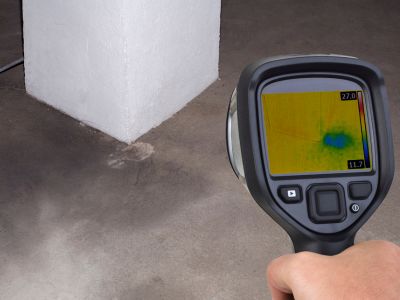 Professional plumbers utilize advanced technology to
 )

 One of the best things a homeowner can do is learn better flushing habits and educate everyone in the home on better flushing habits, too. For example, avoid flushing these items:
  Another common issue is using too much toilet paper for the
 )
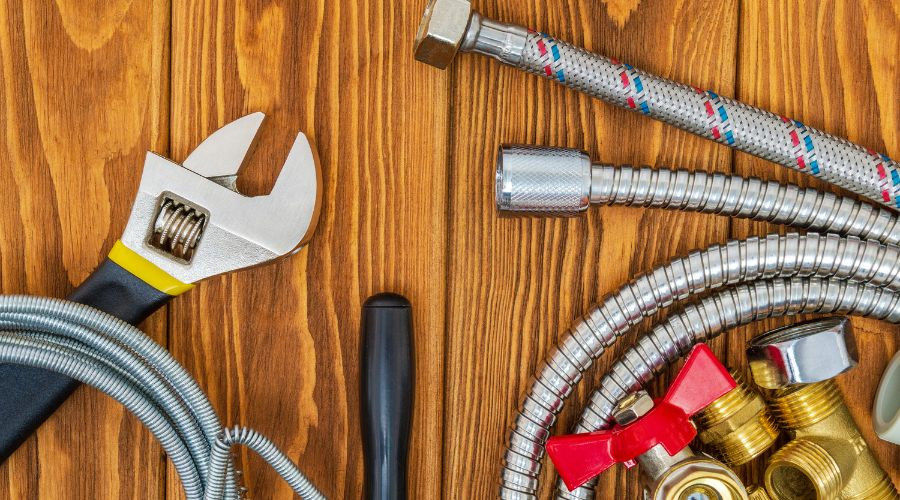
 The most important benefit of regular plumbing maintenance is that it helps keep a home’s plumbing system operating smoothly and as it should. It also allows homeowners to address small issues, which can often be fixed at a low cost before they become big, expensive problems.
 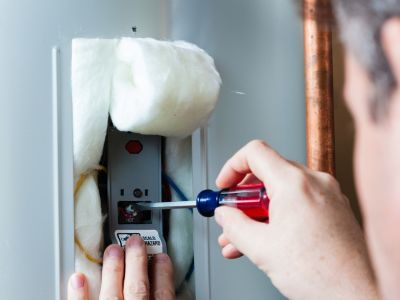 A plumber often pays special attention to a home’s water heater while performing routine maintenance. This is important because water heater maintenance can help prevent problems before they start and ensure that the heater operates correctly. In addition to simply ensuring that the heater provides properly heated water, it will help reduce the high power bills that may occur in homes with inefficient water heaters.
 )