How to Quickly Spot Water Leaks

Signs to Call for Professional Water Leak Detection and Repair

If homeowners notice warning signs of water leaks, they should immediately call for water leak detection and repair, as leaks pose a considerable risk of property damage and can drastically increase water bills. This guide outlines several common signs and straightforward methods to help identify a water leak.

High Water Bills

An unexpectedly high water bill is an indication of a leak. While increased water consumption from seasonal activities or additional household guests can explain higher water costs, an unexplained surge in water expenses is a serious warning sign of a leak, signaling the need for professional water leak detection and repair.

Once a professional plumber performs the necessary water leak repair, it will lead to lower future water bills and substantial cost savings for the property owner. Ignoring evidence of a leak not only wastes money on excessive water consumption but also risks extensive structural and water damage, which are often costly to remediate. 

Other Signs of a Leak

leak Additional signs that can point to a water leak include a drop in water pressure from fixtures, the sound of water running or dripping when all water-using appliances and fixtures are off, a damp or musty odor, and visual evidence of water exposure, such as water stains and discoloration on walls or ceilings, damaged or warping floors, flaking or bubbling paint or wallpaper, soft areas on walls, ceilings, or floors, and the presence of mold or mildew.

If any signs of a leak are spotted, it is crucial to call a plumber to locate and fix the leak quickly. The longer the water leak is allowed to continue, the more water damage and structural damage can occur, and the more expensive the damage can become to fix.

Use the Water Meter

water meter Property owners can also conduct a simple test for a water leak by monitoring their water meter. Begin by confirming that every water-using fixture and appliance, both inside and outside the home, is completely shut off. Next, locate the water meter and record the exact reading displayed. Avoid using any water for a defined period, typically 1 to 2 hours. If the meter reading has changed during this period of non-use, it confirms a leak.

People can also use another method to identify a leak using their water meters. Many modern water meters include a small leak indicator component, usually shaped like a triangle, gear, or small star. If this leak indicator continues to move and spin even when no water is being used, it can also signal a water leak. Regardless of whether the water meter or warning signs indicate a leak, a professional should be called right away to locate and repair it.

Call Scott Plumbing

Scott Plumbing is a local, family-owned and operated company with award-winning service in the Huntsville, Alabama community. They provide same-day service, straightforward pricing, and on-time arrival. Call them for water leak detection and leak repair services in Huntsville, AL.

Distribution Links +

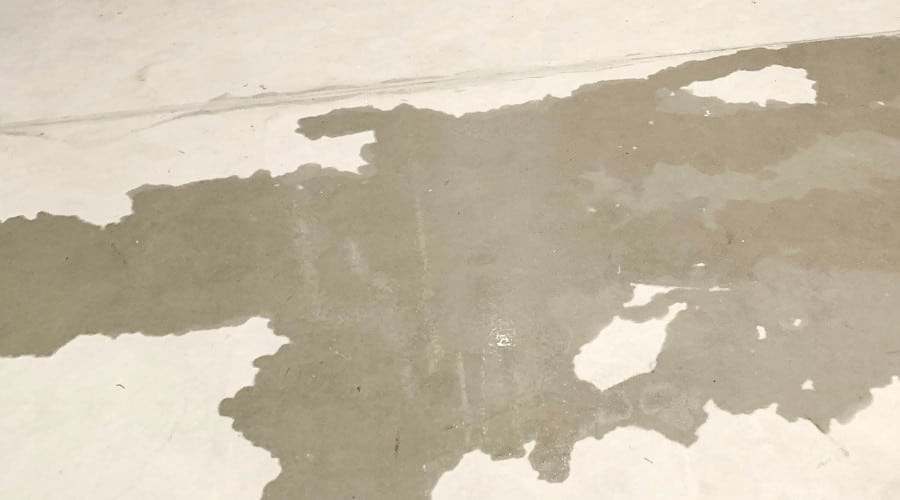
Water pooling on concrete floor indicating potential slab leak issue, relevant to plumbing repair and maintenance services.

A Simple Guide to Slab Leaks

Slab Leak Basics Explained

Concerned about slab leaks? These hidden plumbing failures can trigger serious foundation issues, extensive water damage, and a suddenly high water bill if left unchecked. No need to panic—clear information is the best defense. This guide explains early warning signs and the next steps that help protect a property and budget. Explore what matters most to take control of the situation with timely slab leak detection and slab leak repair.

What Are Slab Leaks?

A slab leak occurs when water or sewer lines beneath a home’s concrete foundation crack, corrode, or separate. Because these pipe failures are concealed, damage can progress quietly for weeks or months. Unlike visible leaks under sinks or behind walls, foundation-related problems often remain hidden while gradually undermining structural components.

The location beneath the slab makes issues particularly disruptive. Water from a slab leak doesn’t simply pool where it’s easy to spot—it saturates the slab and migrates upward through flooring materials. Unexplained damp areas on carpet or hardwood are common clues. Persistent moisture can warp flooring, encourage mold, and compromise structural stability over time, increasing the risk of costly water damage and a rising water bill.

Since these are underground pipe breaks, standard DIY approaches cannot reliably pinpoint the source. Professional slab leak detection methods are typically required to locate the leak accurately and recommend effective slab leak repair options.

Signs of a Slab Leak

crackCatching a slab leak early can help prevent significant foundation repairs and control utility costs. Several subtle indicators often appear before a minor leak becomes a major concern.

Changes around the foundation are some of the most reliable signs. Dark, damp patches on exposed slab areas suggest seepage from below, while a musty odor indicates moisture collecting in enclosed spaces. Cracks in the foundation, floors, or interior walls can develop as saturated soil shifts and weakens support.

Flooring can reveal additional warning signals of underground pipe leaks. Warm spots underfoot often align with leaking hot-water lines beneath the slab. Damp carpeting, cupped or discolored hardwood, and faded sections of flooring point to moisture intrusion. Beyond these visuals, common leak indicators apply as well: a sudden spike in the water bill or a consistently high water bill without a known cause frequently signals the need for professional slab leak detection and prompt slab leak repair to prevent escalating water damage.

Common Causes of a Slab Leak

pipes Slab leaks typically develop when buried pipes begin to fail due to material wear, installation issues, or environmental stress. Pipe corrosion is a frequent contributor, especially where metals break down after extended exposure to water chemistry and soil conditions. Foundation settling can compound this effect by stressing already vulnerable lines.

Shifting soil conditions also play a major role. Expansive or unstable soils can expand, contract, or settle with weather changes, bending or cracking plumbing lines until leaks form. In many areas, these cycles occur seasonally and can affect multiple points beneath a slab.

Excessive water pressure stresses joints and fittings, accelerating failure at weak spots. Poor installation practices—such as inadequate support, improper bedding, or sharp contact with concrete—further raise the risk of premature leaks. Even minor ground movement can translate into significant pipe damage when these risk factors are present, making timely slab leak detection and corrective slab leak repair essential to protect the structure and manage the water bill.

About Scott Plumbing

Scott Plumbing is a top-rated, family-owned and operated plumbing company serving the communities of Huntsville and the surrounding areas. They provide straightforward pricing for their on-time, award-winning service from trusted technicians. Call them today for Slab Leak Repair in Huntsville, AL.

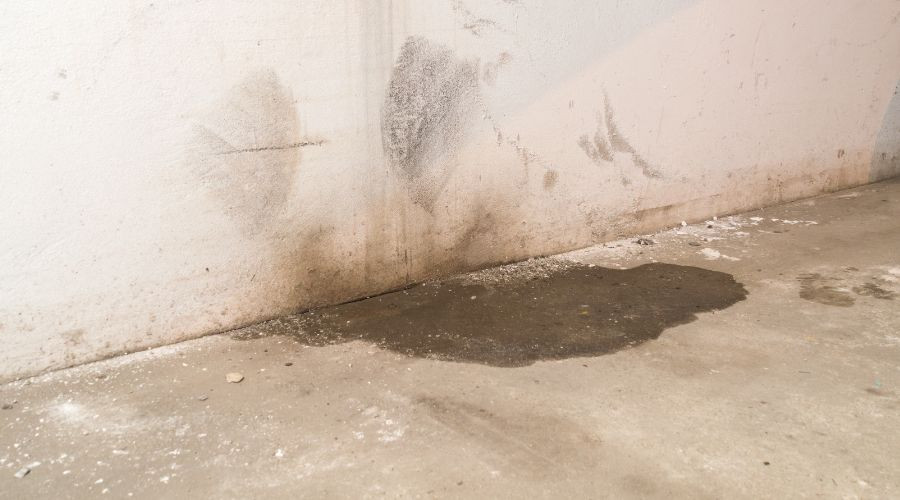
Wall with water stains and a wet concrete floor, indicating potential plumbing issues; Scott Plumbing can help.

Answering Common Questions About Slab Leaks in Huntsville, AL

Slab Leaks and Their Risks Explained

A slab leak can be a damaging and costly problem for households, so they must be caught as soon as possible. However, since they are hidden beneath the home's concrete foundation, these water leaks can wreak havoc before homeowners notice them. 

That’s why understanding slab leaks and the signs that point to them is crucial for homeowners. This guide will answer some common questions about slab leaks, including what they are, what causes them, how to identify them, their dangers, and how plumbers detect and repair them.

What Is a Slab Leak, and What Causes Them?

leak A slab leak refers to a water line break or leak that occurs in the pipes running beneath a home's concrete foundation. These pipes can develop leaks due to various factors, creating a serious plumbing issue that requires immediate attention. Since these pipes are beneath the concrete foundation, detecting and repairing slab leaks can be particularly challenging and requires specialized equipment.

Several factors can contribute to the development of slab leaks, including natural ground shifting, aging pipes, pipe corrosion, high water pressure, and poor initial installation. Additionally, the pipes can wear down over time due to friction from pipes against concrete or other hard surfaces. 

What Are the Signs and Dangers of Slab Leaks?

Homeowners can identify slab leaks so they can call a plumber for repair by keeping an eye out for some telltale signs. Some common indicators of a water leak or slab leak include unexplained increases in the water bill, the sound of running water, low water pressure, and the growth of mold or mildew. Some additional signs of a water leak that may be more indicative of a slab leak are warm or hot spots on the floor, damp or wet flooring, and visible cracks or damage to the foundation, walls, and floors. In some cases, homeowners may notice their floors becoming uneven or observe water pooling around the perimeter of their homes.

The dangers of untreated slab leaks cannot be overstated, as they pose significant risks to the property and residents' health. When water continuously seeps into and under the foundation, it can erode the soil underneath, leading to foundation settling or shifting that compromises the structural integrity of the entire home. The structural damage can manifest as cracked walls, uneven floors, and foundation damage, resulting in costly repairs. Additionally, the persistent moisture creates an ideal environment for mold to grow, which can trigger respiratory issues and other health concerns and require costly mold remediation to remove. 

How Can Plumbers Find and Fix Slab Leaks?

leak detectionProfessional plumbers utilize advanced technology to detect and repair slab leaks with minimal disruption to the property. Plumbers can find the slab leak's location without damaging the property or foundation using specialized equipment such as electronic amplification devices, thermal imaging cameras, and pressure testing systems.

Once located, professionals can choose the best repair method, depending on the situation. They may perform pipe rerouting, where new pipes are installed to bypass the damaged section, tunnel under or cut through the slab to directly access and repair or replace the affected pipe section, or epoxy pipe lining, which involves coating the inside of the damaged pipe with a durable epoxy resin to form a new pipe. Professional plumbers can ensure the repair provides a long-lasting solution.

About Scott Plumbing

Scott Plumbing is a local family-owned and operated business serving Huntsville, AL, and the surrounding areas. They offer same-day service, straightforward pricing, and a no-mess promise. Call them for slab leak repair services in Huntsville, AL

Water-damaged ceiling with bulging paint, dark spots near a wooden window frame, highlighting home maintenance issues.

How to Find Property Leaks

What Are Invisible Leaks?

Plumbing leaks aren’t always obvious. While water damage on the ceiling is easily visible, pipes can crack in multiple areas of the property. The plumbing system is already compromised if there is a small leak behind the wall or a cracked pipe underground. 

A Sudden Spike in the Water Bill

billsLarge cracks from significantly damaged pipes cause the water bill to increase dramatically over the course of one month. This is usually a noticeable surprise that can cost hundreds of extra dollars. If the pipes are not immediately fixed, flooding inside the home can occur. Although this can happen in any household, small leaks are more common.

A small leak causes the water bill to rise more gradually. If homeowners are unaware of their monthly expenses, they may not even notice the increase. Unfortunately, small leaks can still cause major damage. If the crack is not repaired, water will damage the plumbing system.

A slow faucet leak can equal 30 gallons of water daily, which is expensive and wasteful. As the leak worsens, water damage can cost thousands of dollars from moisture warping the floors and walls. A trained plumber should examine the issue when any water leak is noticed.

Water Leak Detection for Beginners

Even if the leak isn’t visible, it can still be detected using other senses. Reduced water pressure is one sign because the speed of water flow through the pipes changes when there is a crack in the plumbing system. As a result, less water reaches the shower nozzle as some of it escapes into the crack.

If the leak is large enough, a faint dripping or gushing noise may be present. This can be heard when standing near the damaged pipe. Sometimes, this means the leak is somewhere behind a wall, while other times, it can be heard below the kitchen or bathroom sink. If there is a loud crash or banging noise after flushing, homeowners must call a plumber before this worsens. 

Moldy smells mean water damage has already occurred. If there is a leak, the smell is usually strongest in the bathroom or basement. Mold is not only expensive to remove, but it can cause respiratory issues and allergic reactions. If the leak is inside the walls or ceiling, water will need to be professionally removed for the safety of the household. Water leak repair services have the equipment necessary to remove toxins safely. 

Professional leak detection involves using a small device that can identify cracks inside the piping. Licensed plumbers usually use them to find damage deep within the plumbing. For underground leaks, a detector helps prove the problem. 

How to Tell for Sure

water meterUsing a water meter to find hidden leaks is one of the most effective methods. A water meter tests the flow of water to see if there are any changes in the plumbing system. Although homeowners cannot see the actual leak, they can see whether the water has been altered by any cracks. 

Before locating the water meter, homeowners will need to turn off all water fixtures in the home. This includes the dishwasher and washing machine. The leak detector is usually found in a gray metal box at the very edge of the property. 

Water meters measure the flow of water in cubic feet. If the meter is older, it will have a dial with an asterisk inside. If the asterisk is turning, this means there is a leak. Newer water meters have a digital display. If the flow rate is zero, a leaking pipe is unlikely. A trained technician will know how to interpret flow rate so that leak repair can be handled correctly.  

About Scott Plumbing

Scott Plumbing was voted by Nextdoor as a Neighborhood Favorite in Huntsville, AL. They achieved this accolade by providing homeowners with fast and friendly service while providing long-term plumbing solutions for homeowners everywhere. For expert water leak detection services, call Scott Plumbing today. 

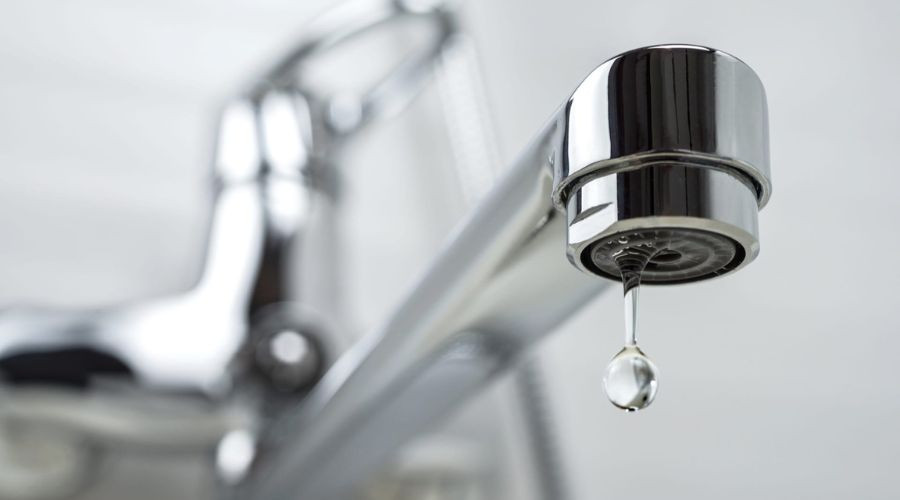
Chrome faucet with a droplet, representing plumbing maintenance and water conservation at Scott Plumbing.

Keep an Eye Out for Water Leaks

Tips for Identifying a Leak Early

A water leak in a home’s plumbing is an issue that isn’t entirely unavoidable. Most homeowners will have dealt with a water leak at some point, and the best thing for them to do is to catch it early before it becomes a full-blown plumbing emergency that causes extensive water damage that requires significant time and money to resolve. To find leaks early, homeowners must know what to look for. 

Common Symptoms of a Leak at Home 

Some leaks at home will be visible and easy to spot, such as dripping faucets, leaking toilets, and puddles of water around fixtures. However, some leaks aren’t as apparent and require homeowners to know some of the common signs that point to a leak. 

Some indicators of a leak include poor water pressure from plumbing fixtures, mold growth, the sound of water running when nothing is using water, and signs of water damage, such as water stains, peeling paint, sagging ceilings, and damaged or warped floors. 

Monitor the Water Bills

billWhile most signs of a water leak rely on a homeowner’s senses of sight and hearing, another important sign of leaks requires homeowners to develop a habit. Homeowners should track how much they spend each month on water costs, as a spike in the water bill can also indicate a leak.  

If the water bill is higher than what the household is usually charged, barring any drastic changes in water consumption, then chances are high that the cost difference is due to a leak. Even small leaks like a dripping faucet can waste significant amounts of water, which is reflected in the water bills.

Watch the Water Meter

water meterHomeowners can also use their home’s water meter to determine the presence of a leak. Some water meter models have a built-in leak indicator, which usually takes the form of a red or blue triangle that moves or spins when it detects a leak. But even without this built-in leak detector, water meters are still a helpful tool for homeowners to identify a leak. 

A homeowner should first shut off all appliances and plumbing fixtures that use water and then take note of the water meter reading. After a few hours, the water meter should be rechecked, and if the reading has changed, it means that water has continued to run even when it wasn’t being used, which points to a water leak. Then, homeowners can move on from confirming its presence to scheduling professional services for water leak repair. 

About Scott Plumbing

Scott Plumbing is a family-owned and operated business serving Huntsville and the surrounding areas since 2014. They offer same-day service, straightforward pricing, and on-time service. Call them today for water leak detection and repair services in Huntsville, AL

Distribution Links +