
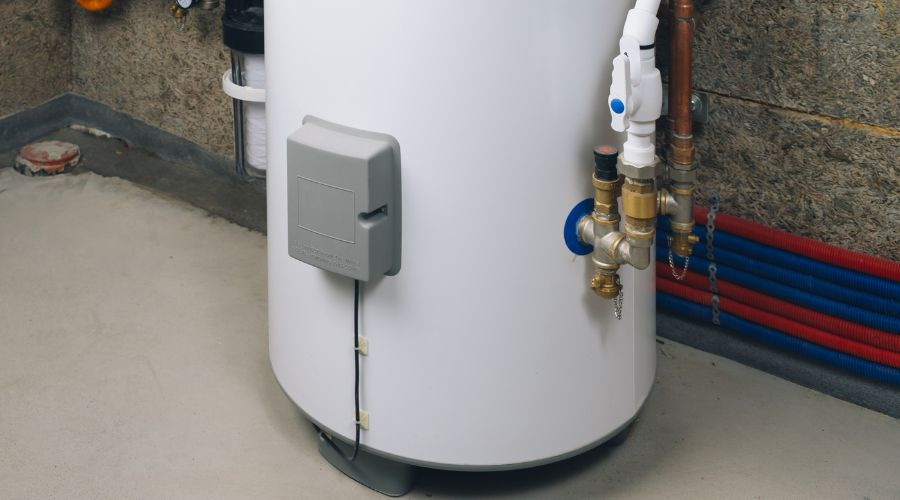
Pros and Cons of Different Water Heaters
In the realm of water heaters, one size does not fit all. Homeowners must assess their specific needs, including budget flexibility, safety concerns, and local climate impacts, such as potential power outages. The following sections outline the detailed pros and cons of both gas and electric water heaters.
Gas Water Heater
 Gas water heaters have traditionally been the preferred choice among homeowners. Here's a closer look at why this type may be the right choice for certain water heating needs.
Pros:
- Lower Operating Costs: Generally, gas water heaters are less expensive to operate compared to electric models. This can be especially advantageous in larger households with higher water consumption.
- Fast Water Heating: Gas water heaters heat water more rapidly than electric versions, providing nearly instant hot water when needed.
Cons:
- Potential Safety Risks: Gas appliances come with inherent risks of gas leaks. Proper installation and regular maintenance are imperative for safety.
- Requirement for Venting and Gas Hookups: Proper venting is necessary to expel gases outside the home safely, and a gas hookup is required. This may complicate installation if the home is not already equipped.
For those evaluating their options, a gas water heater might be appealing if lower long-term operational costs and quicker heating times are crucial considerations. However, safety and installation complexities must be taken into account.
Electric Water Heater
 Electric water heaters have gained popularity with advances in technology and safety features, presenting a different set of advantages and constraints.
Pros:
- Lower Installation Costs: Electric water heaters generally have a lower initial installation cost, making them a more budget-friendly option.
- Increased Safety: Unlike gas water heaters, electric models eliminate the risk of gas leaks, making them a safer alternative for households concerned about gas-related hazards.
Cons:
- Higher Operating Costs: The cost of electricity can lead to higher operational expenses over time when compared to gas options.
- Dependence on Electricity: During a power outage, an electric water heater will cease to function, potentially leaving the home without hot water when needed most.
Electric water heaters are often chosen for their safety and lower initial costs, yet their higher operating expenses and reliance on a constant electricity supply are important factors to consider.
Factors to Consider Before Installation
Deciding between a gas or electric water heater extends beyond simply evaluating individual pros and cons. The following factors should guide homeowners in making the appropriate choice for water heater installation or replacement.
- Home Susceptibility to Power Outages: In areas prone to frequent power outages, a gas water heater may offer reliable service during such events, operating independently of the home's electricity.
- Availability of Gas Hookups: The presence or absence of gas lines within the home will greatly influence the decision. Homes lacking existing gas lines may find electric options more feasible given the expense and complexity of installing new gas connections.
- Safety Concerns Regarding Gas Leaks: For those prioritizing safety, particularly concerning gas leaks, an electric water heater may better meet their needs, offering peace of mind regarding gas-related safety concerns.
Evaluating a home's specific needs and circumstances is essential in choosing the right water heater. Whether prioritizing operational efficiency, safety, or cost, both gas and electric water heaters provide viable solutions tailored to various living situations.
About Scott Plumbing
Scott Plumbing is a local family-owned and operated business that’s A+ rated and accredited by the Better Business Bureau. Their plumbing technicians undergo background checks and drug testing for safety and peace of mind. Call them for water heater services in Huntsville, AL.
)
Distribution Links +
- https://smb.irontontribune.com
- https://smb.ourdavie.com
- https://smb.state-journal.com
- https://smb.thecharlottegazette.com
- https://smb.thecoastlandtimes.com
- https://smb.theinteriorjournal.com
- https://smb.thetidewaternews.com
- https://smb.tryondailybulletin.com
- https://smb.winchestersun.com
- https://smb.farmvilleherald.com
- https://smb.salisburypost.com
- https://smb.shelbycountyreporter.com
- https://smb.smithfieldtimes.com
- https://smb.suffolknewsherald.com
- https://smb.thewashingtondailynews.com
- https://smb.thewetumpkaherald.com
- https://smb.cordeledispatch.com
- https://smb.lagrangenews.com
- https://smb.middlesboronews.com
- https://smb.roanoke-chowannewsherald.com
- https://smb.tallasseetribune.com
- https://smb.thepostsearchlight.com
- https://smb.valleytimes-news.com
- https://smb.lowndessignal.com
- https://pr.washingtoncitypaper.com
- https://smb.theleesvilleleader.com
- https://smb.prentissheadlight.com
- https://smb.beauregardnews.com
- https://pr.hattiesburg.com
- https://pr.boreal.org
- https://pr.stylemg.com
- https://pr.walnutcreekmagazine.com
- https://pr.thembnews.com
- https://pr.timesofsandiego.com
- https://pr.chestercounty.com
- https://pr.wncbusiness.com
- https://pr.ashlandtownnews.com
- https://pr.franklintownnews.com
- https://pr.hollistontownnews.com
- https://pr.hopedaletownnews.com

 Tankless water heaters answer a problem that most homeowners don’t even know they have. Rising energy bills are a problem for everyone. However, most homeowners don’t realize that a significant portion of monthly energy bills goes directly to heating water in an
  A problem homeowners are aware of when relying on a water tank for hot water is the finite supply. Everyone has had the unfortunate experience of running out of hot water just before their shower is done, and this is an inherent flaw of water tanks. To avoid the water running cold, homeowners should invest in tankless water heaters. They provide endless hot water for as long as families need it.
 )